Wildlife baby shower
WHERE RESCUE BECOMES RELEASE
Be Part of Their Second Chance
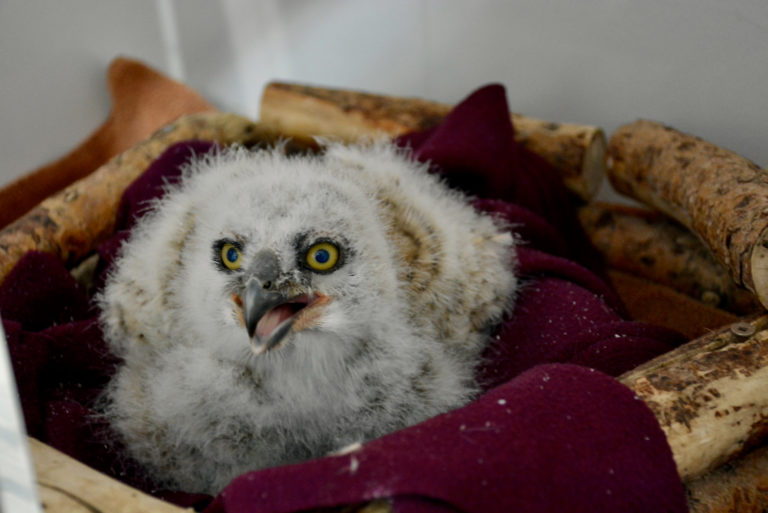
Raptor Chicks
These growing raptors need more than wings to fly. Your support helps get them there.
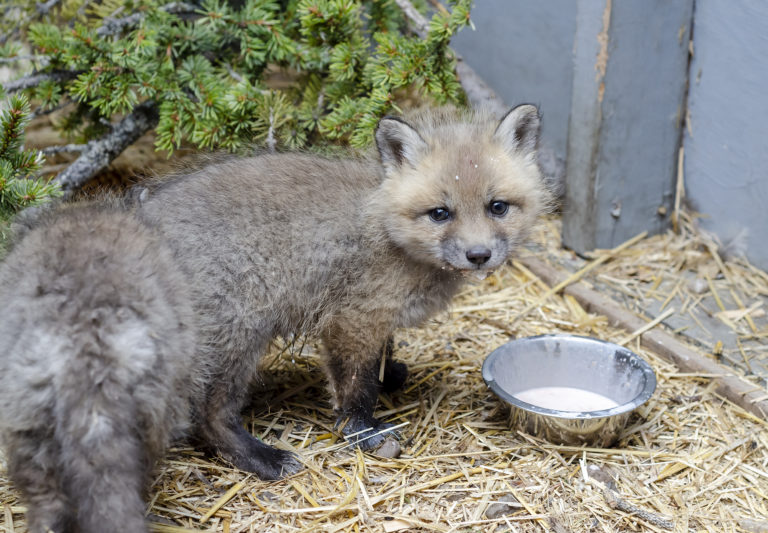
Red Fox Kits
From arrival to release, fox kits need expert care, often for less than the cost of your morning coffee.
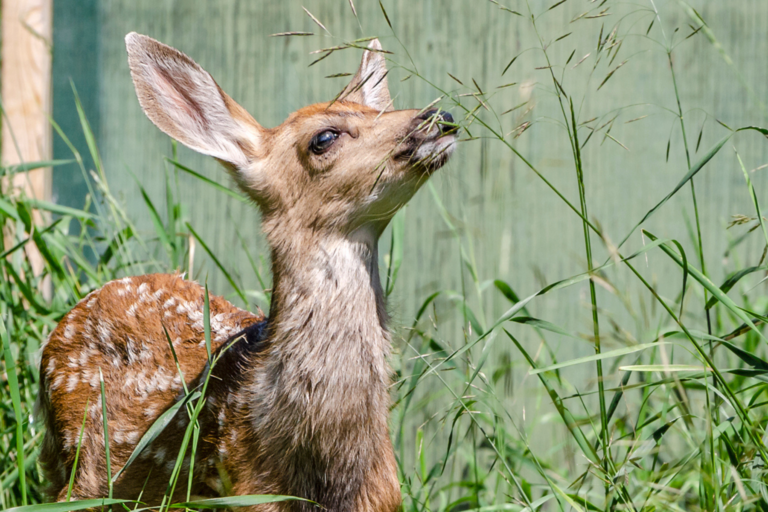
Deer Fawns
Behind every spotted fawn is months of formula feeds, daily care, and a long road back to the wild.
Want to make a general donation? Scroll down. ↓
Wildlife baby season is here. From deer fawns and fox kits to ducklings, owlets, squirrels, and orphaned beavers, spring marks our busiest and most demanding season. Over the coming months, AIWC will care for 1,500+ vulnerable wildlife babies, many arriving injured or orphaned due to human-related causes. 95% of our patients are impacted by human activity: vehicle collisions, window strikes, habitat disruption, domestic pet attacks, and unnecessary rescues. Your support helps change those outcomes. This year marks our 15th Annual Wildlife Baby Shower, and we invite you to be part of giving wildlife a second chance. This spring, we aim to raise over $30,000 to support the care of current spring patients and the many new summer arrivals we will welcome through our doors in the months ahead.
Caring for wildlife babies is intensive and often lasts months, with each species requiring highly specialized care. A single deer fawn may spend up to 130 days in rehabilitation, beginning with as many as six formula feedings per day before gradually transitioning to browse and natural foods. Young owls and hawks require months of carefully managed diets and daily conditioning before they are ready for release, while ducklings need constant access to clean water, food, and habitat maintenance. Orphaned mammals such as foxes, squirrels, and beavers demand round-the-clock attention to support their growth, development, and eventual return to the wild.
As a charitable organization, AIWC relies on community support to make this lifesaving work possible. This level of care comes with high costs, ranging from over $100 to several thousand dollars per patient, depending on species, length of stay, and medical needs. Expenses include food, formula, medical treatment, habitat maintenance, enrichment, and the specialized rehabilitation required to give each animal the best possible chance of survival in the wild.
Our campaign looks a little different this year. In addition to giving where the need is greatest, you can explore a few featured spring patients, learn what goes into their care, and support the stories that resonate most with you. You are part of their story.