Birds

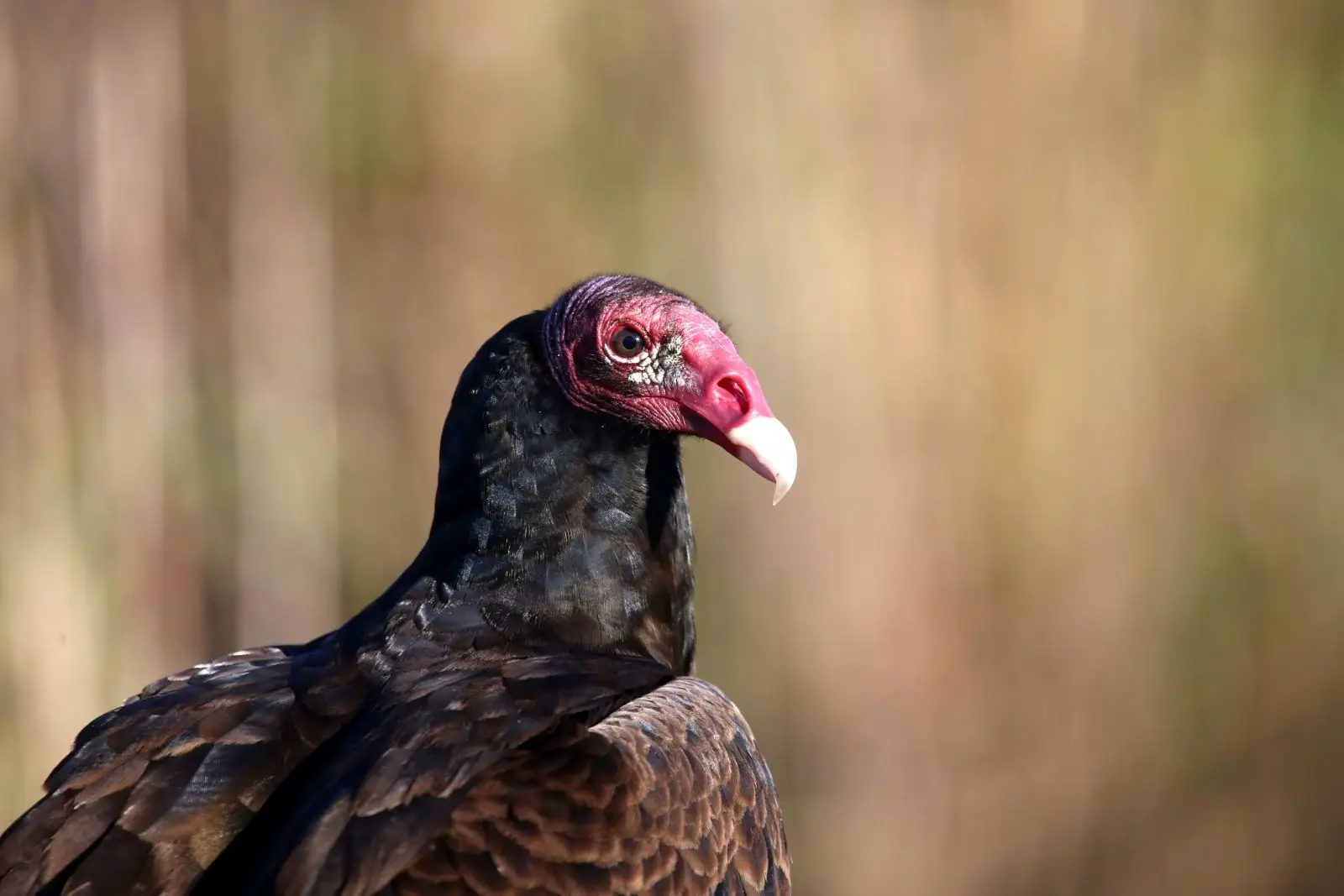
Meet Alberta’s Feathered Cleanup Crew: The Turkey Vulture
by Marissa Hansen Alberta is home to a myriad of wildlife, but one bird holds a special place as the province’s only vulture—the turkey vulture
by Marissa Hansen Alberta is home to a myriad of wildlife, but one bird holds a special place as the province’s only vulture—the turkey vulture
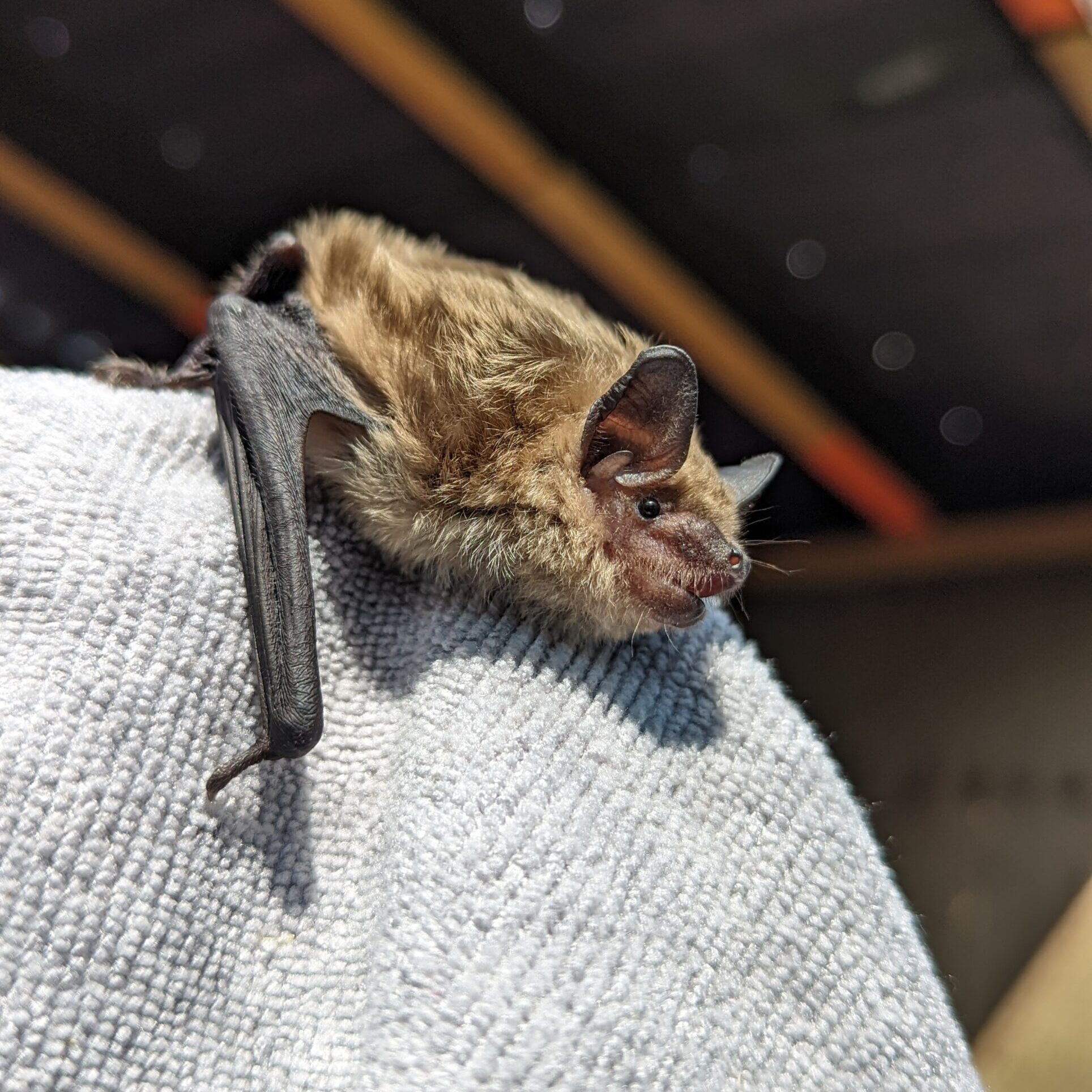
By Holly Hastings Alberta is home to nine species of bats; for a list of species, click here. They can be split into two groups:1
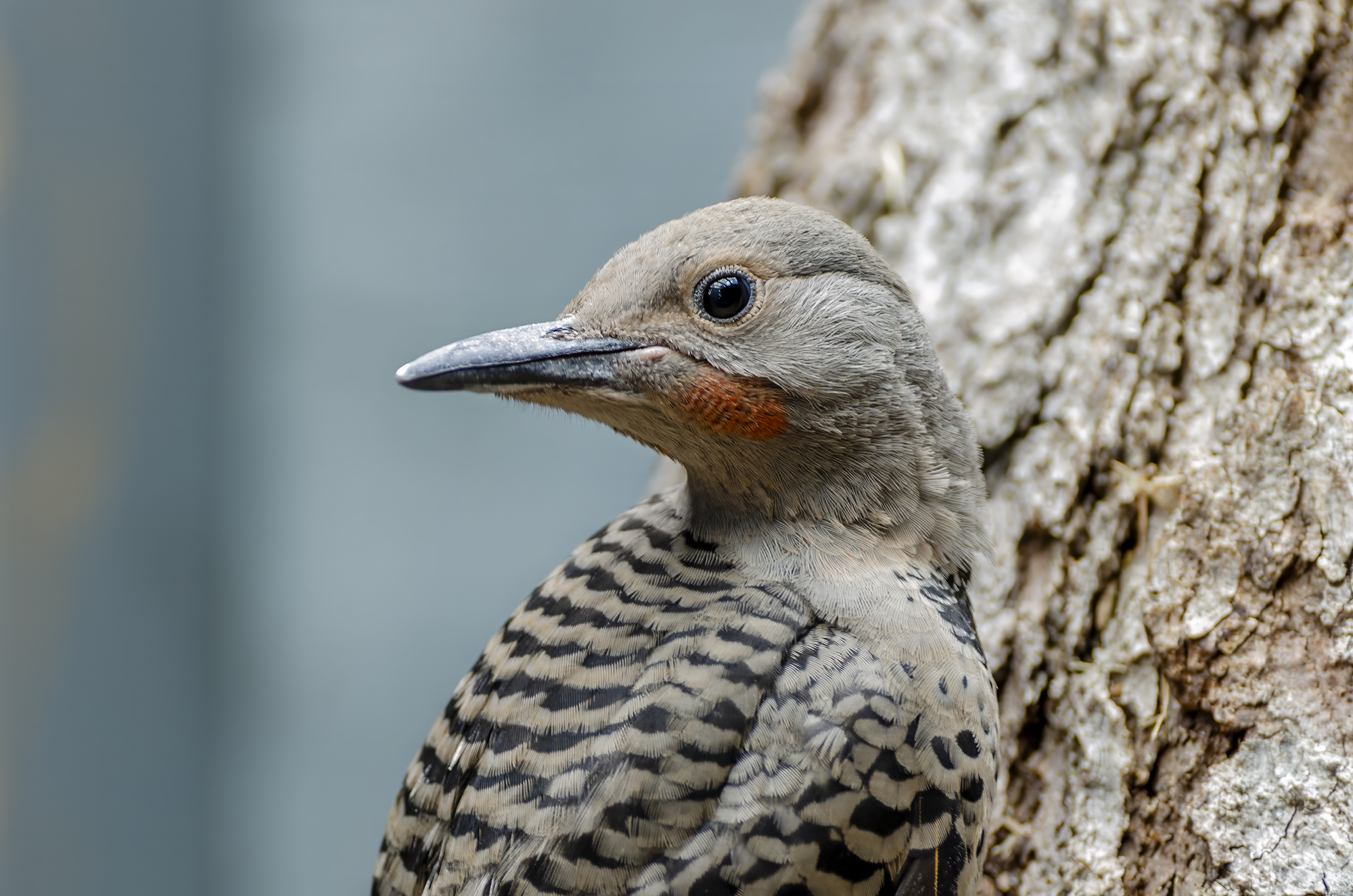
By Katie Grant Woodpeckers significantly influence the structure and function of their environments, making them a keystone species. The presence and activities of a keystone
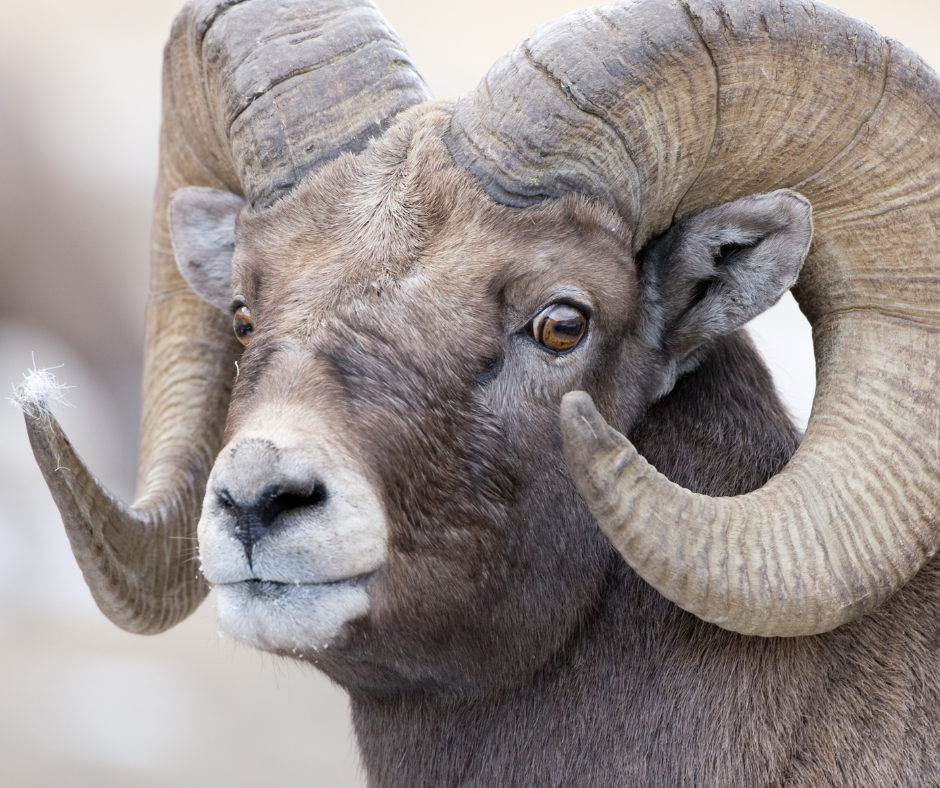
By Carley Goodreau Have you ever driven down a winding mountain road, turned the corner, and been met with dozens of sheep perched on the
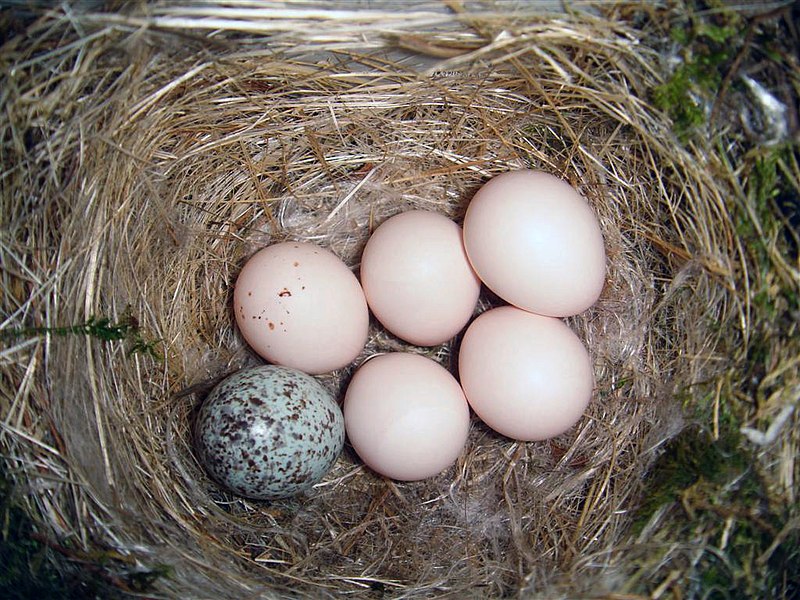
By Marissa Hansen Brood parasitism is nature’s version of free daycare. In this scheme, the parasitic bird lays its eggs in the nest of another
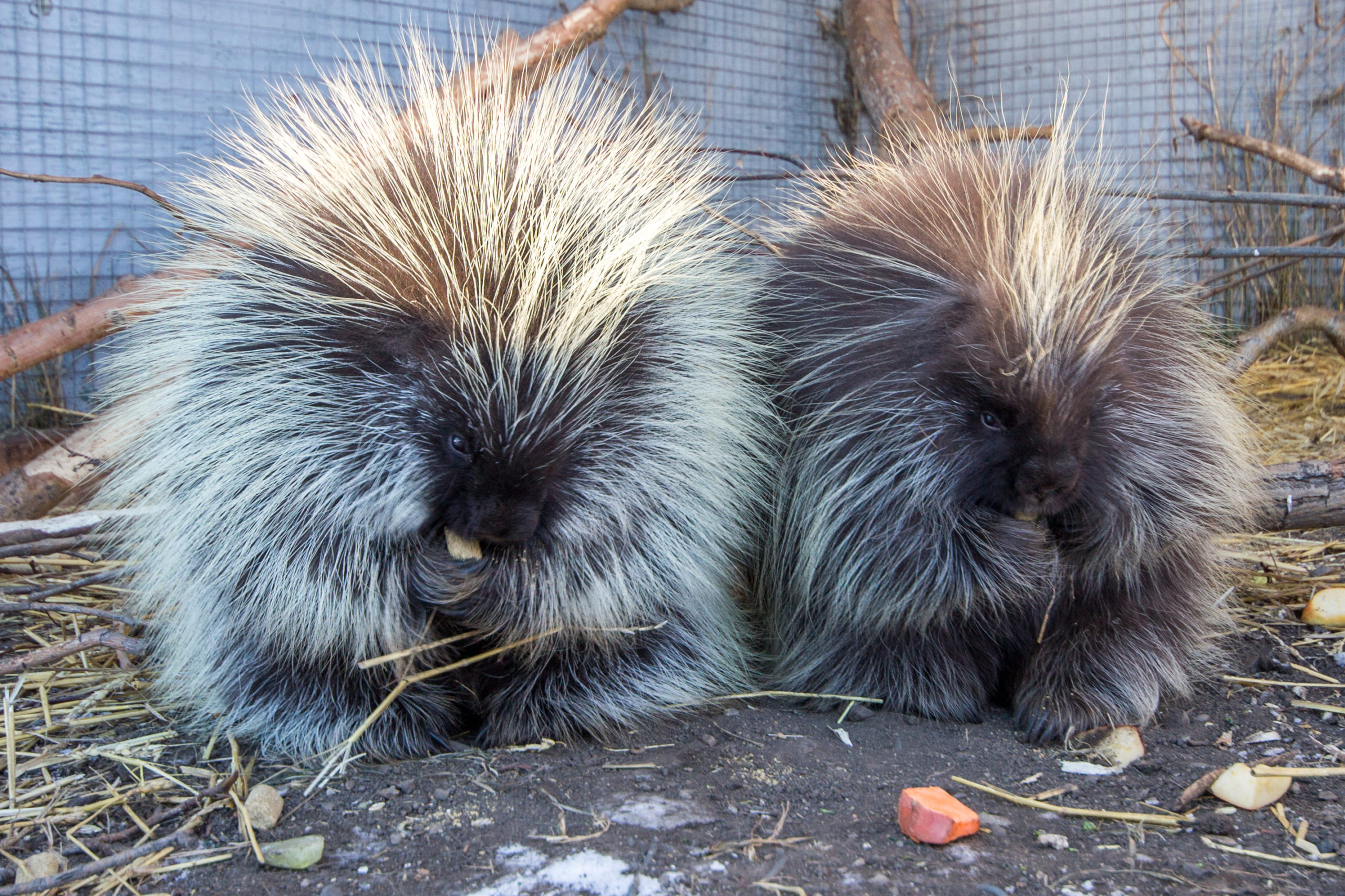
By Chelsea Blyth Living alongside porcupines in urban settings or while camping, involves understanding these unique creatures and taking certain precautions to ensure peaceful coexistence.
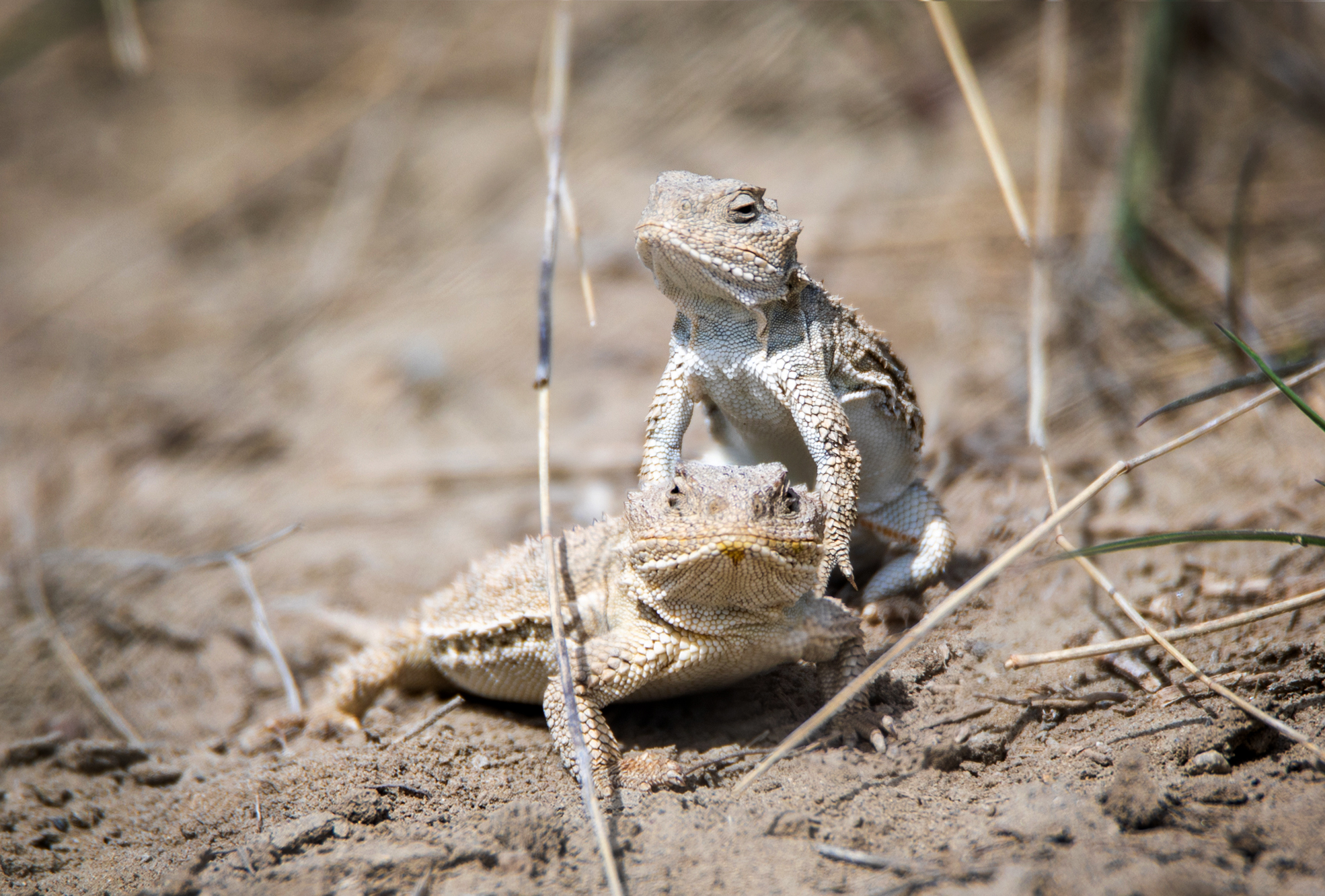
By Julia Gaume The greater short-horned lizard (Phrynosoma hernandesi) is the only lizard species native to Alberta. With rows of spikes along its back, short
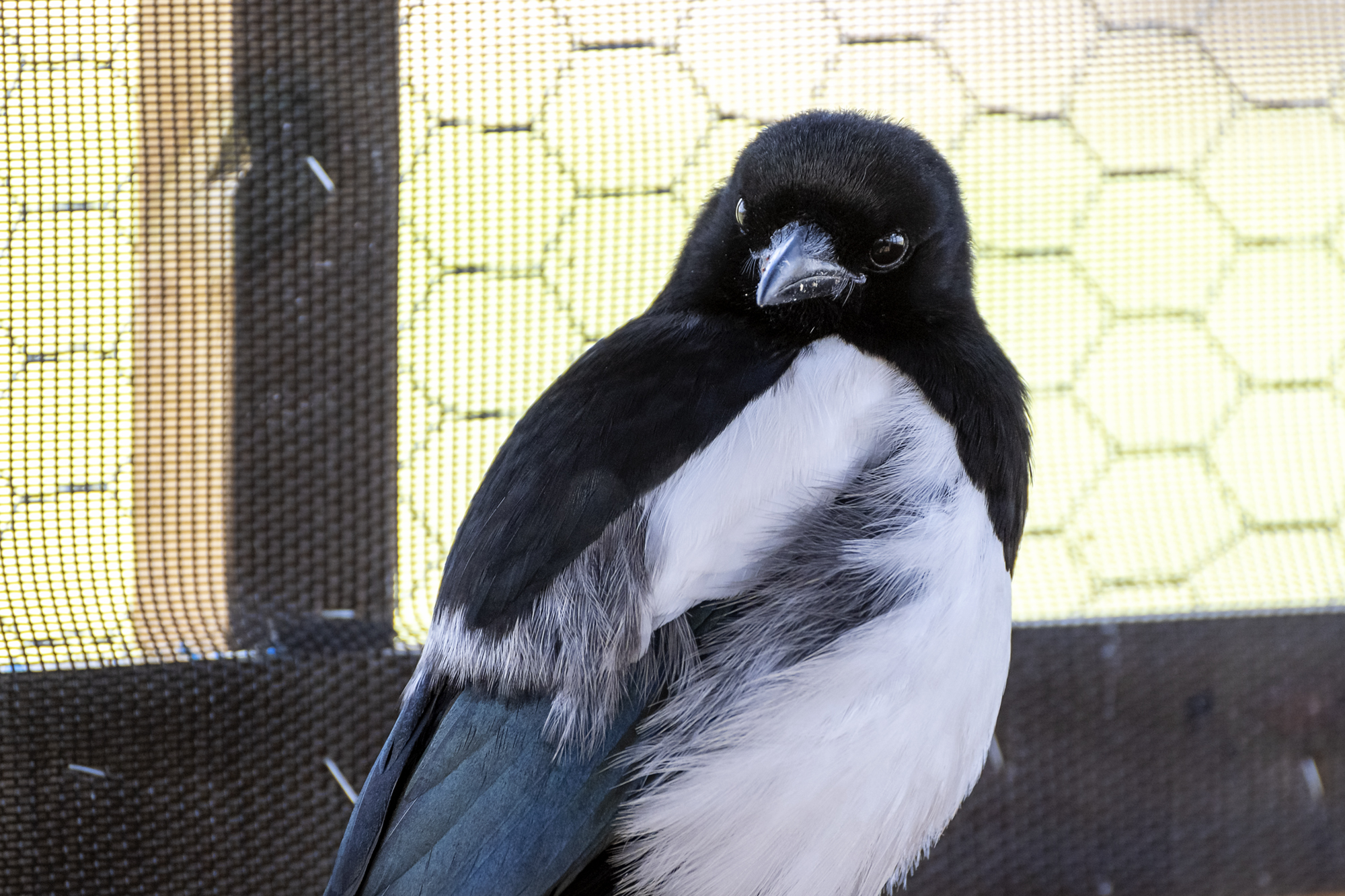
By Courtney Collins Black-billed magpies (Pica hudsonia) are found throughout Alberta and much of western Canada.1 While many regard these birds as pests, often due
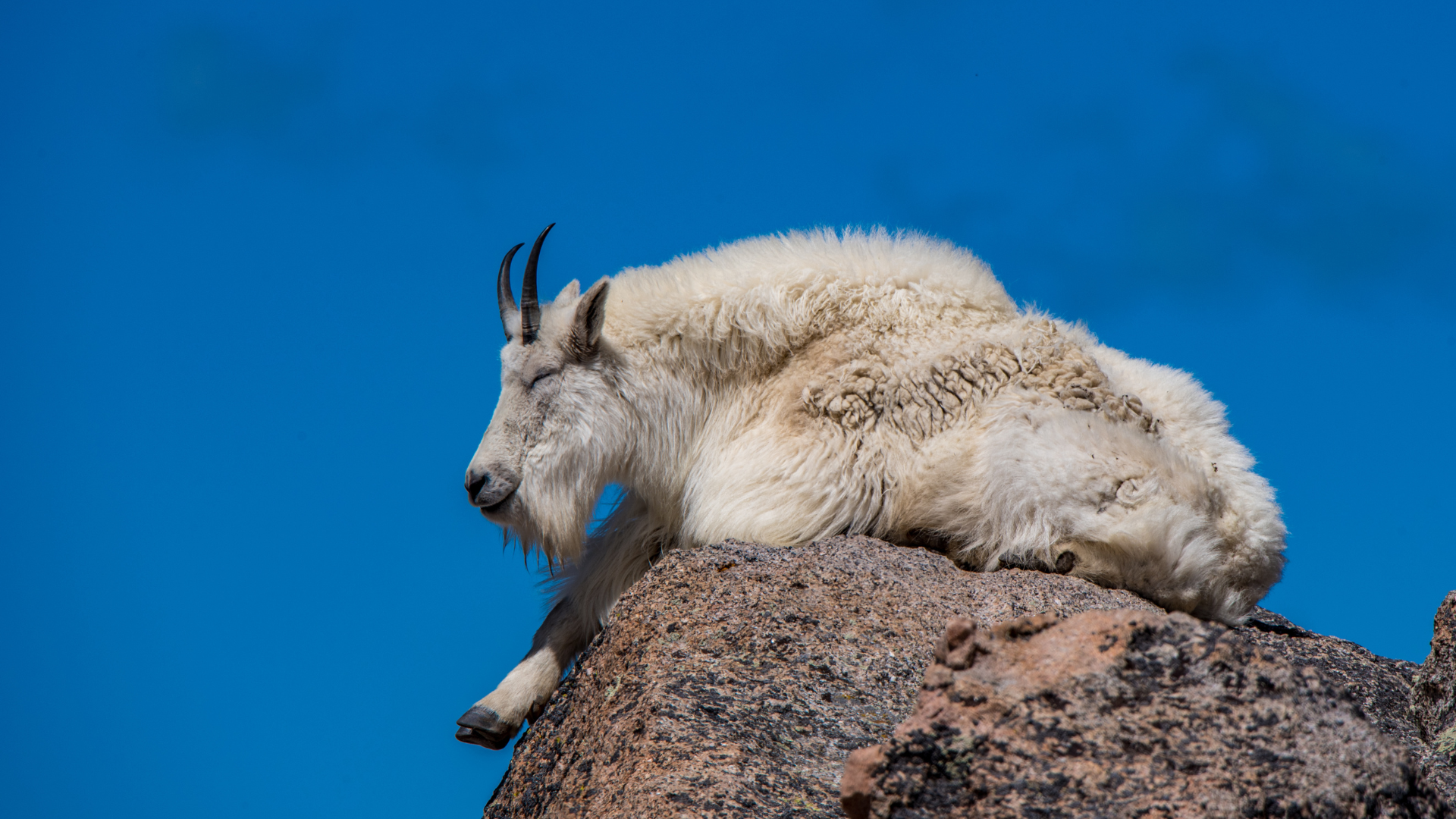
By Holly Hastings A symphony of species defying the odds exists in the airy domain of Alberta’s Rocky Mountains. Let’s countdown six extraordinary species that
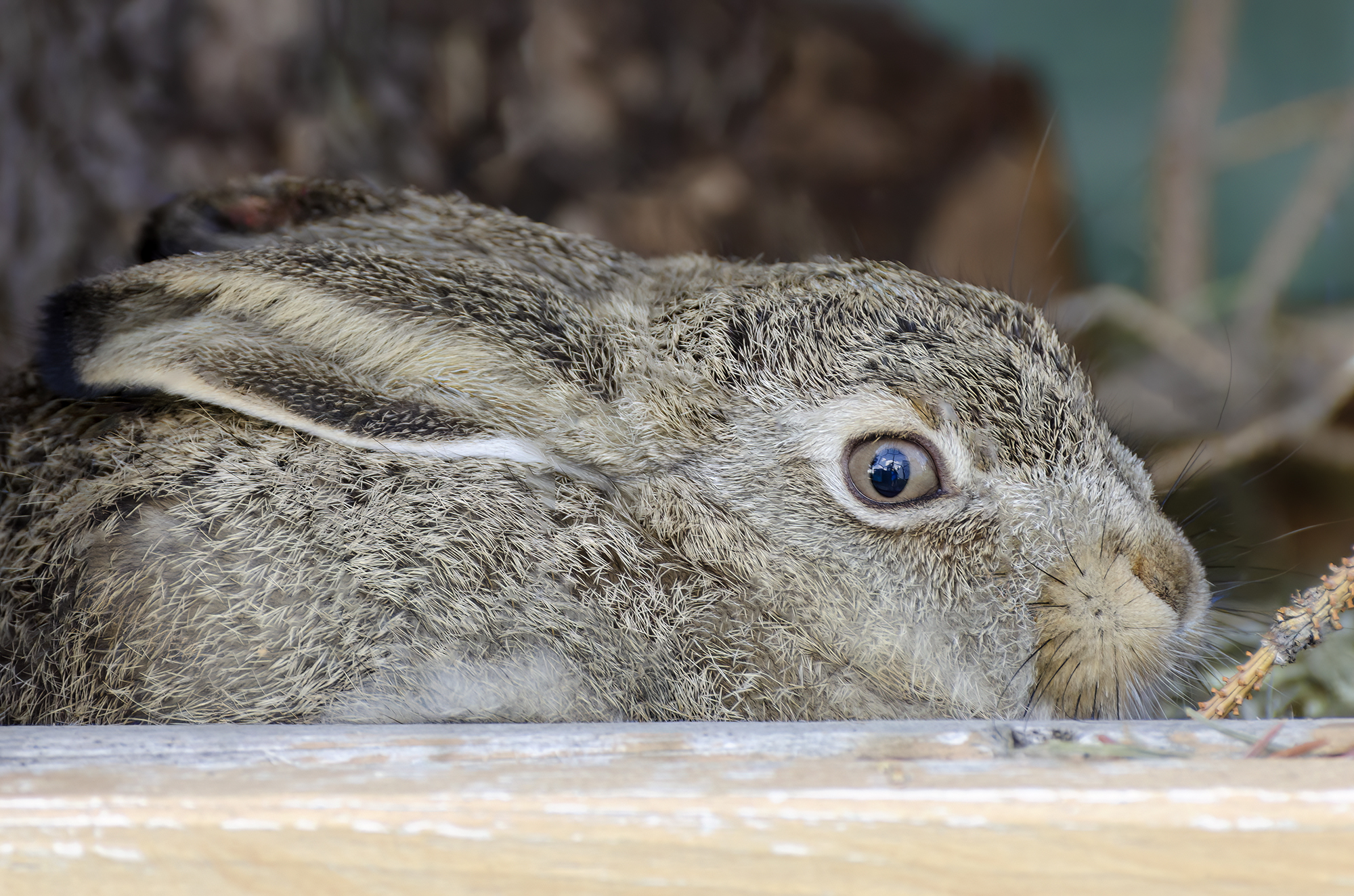
By Katie Grant White-tailed jackrabbits are true hares, not rabbits, and are naturally solitary beings. Living singly or in pairs, they exhibit a distinctive behaviour