Education

Black Bear & Grizzly Bear Awareness & Ethics
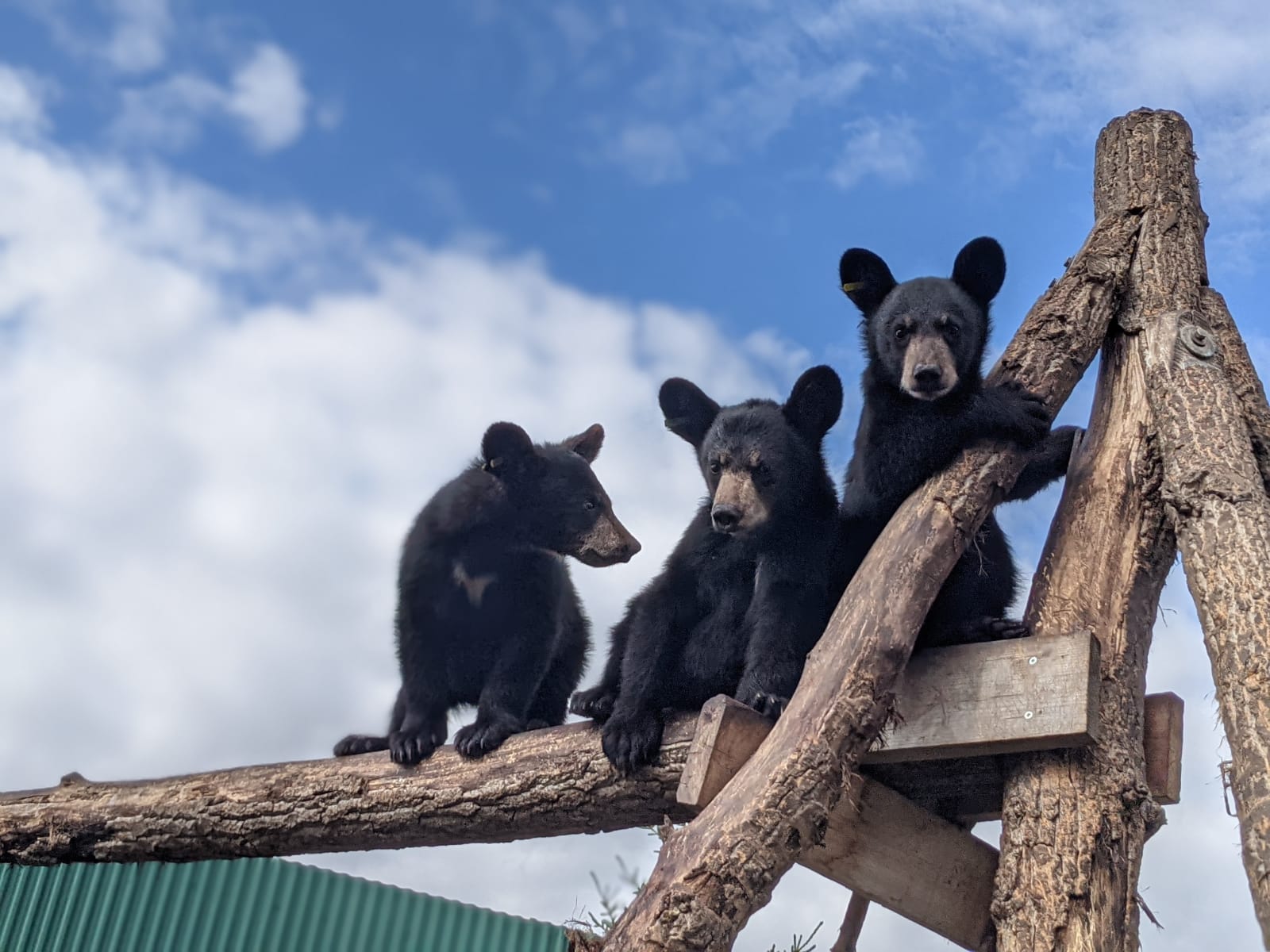
by Chelsea Blyth Alberta is home to some of North America’s most magnificent wildlife, including the iconic black bear and grizzly bear. These impressive creatures
by Chelsea Blyth Alberta is home to some of North America’s most magnificent wildlife, including the iconic black bear and grizzly bear. These impressive creatures
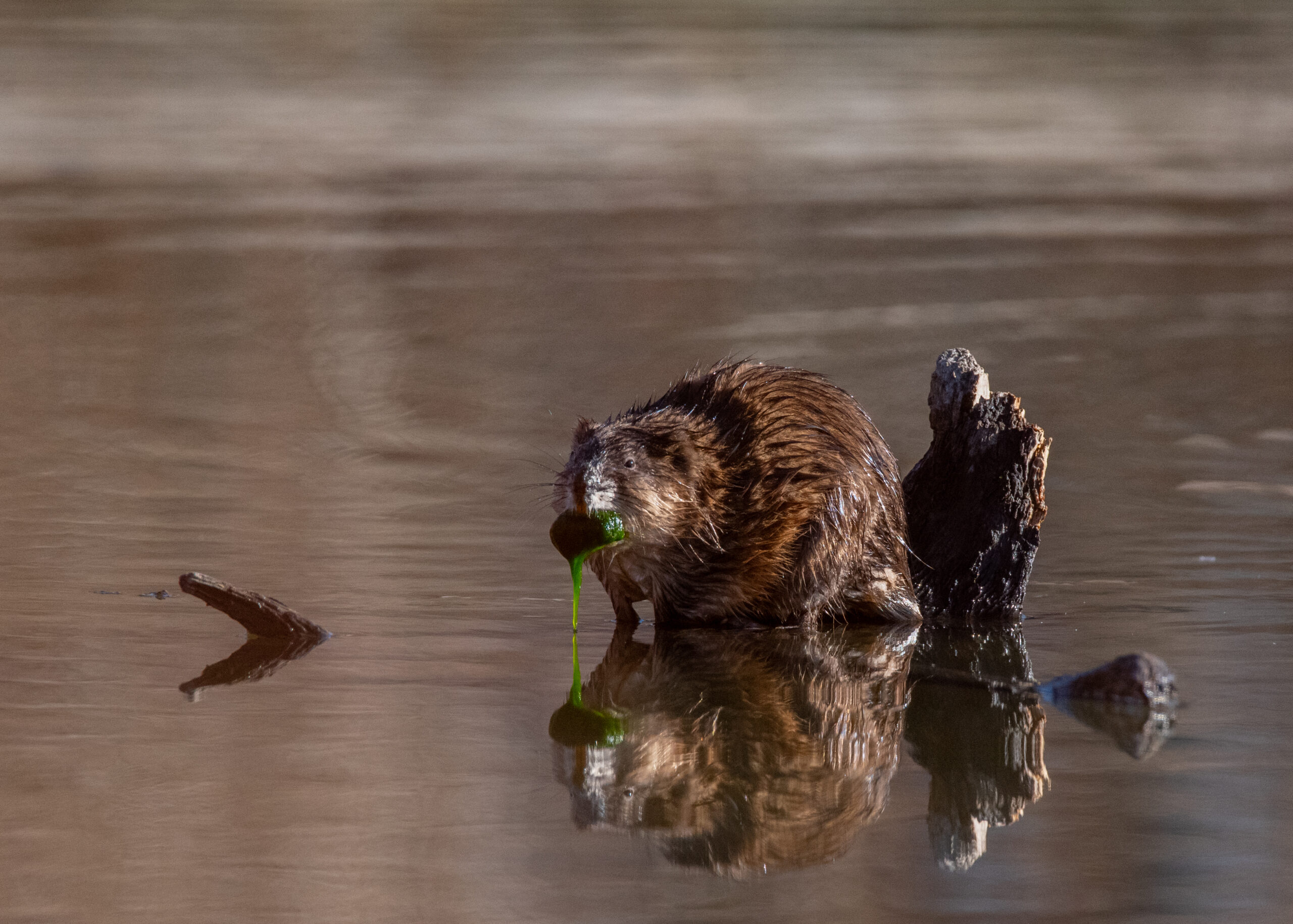
by Katie Grant Muskrats, often mistaken for their larger counterparts, beavers, are fascinating semi-aquatic rodents that play a crucial role in North America’s wetland ecosystems.
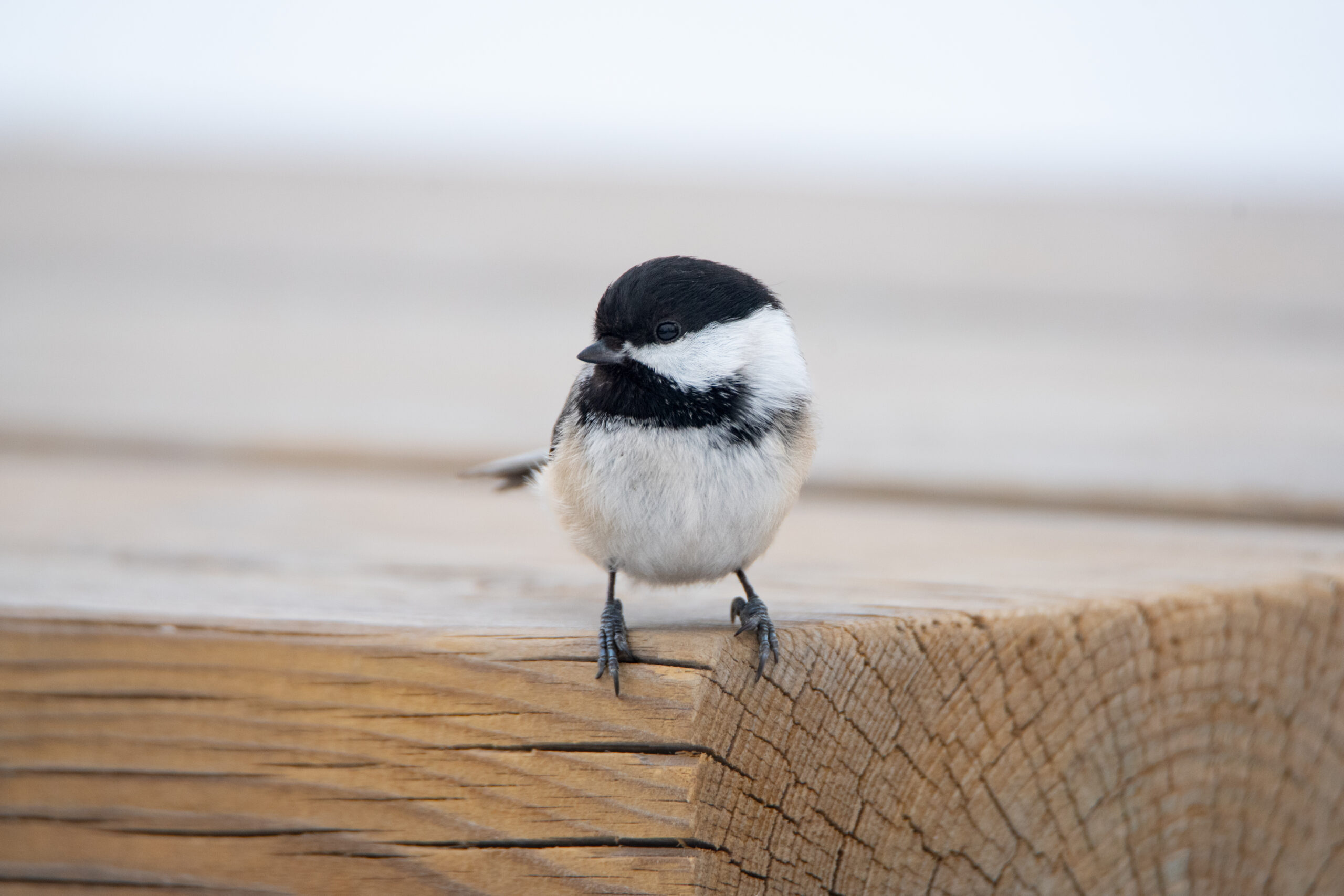
by Carley Goodreau A sure sign that winter is coming are flocks of birds migrating south to escape the cold. Each year we say goodbye
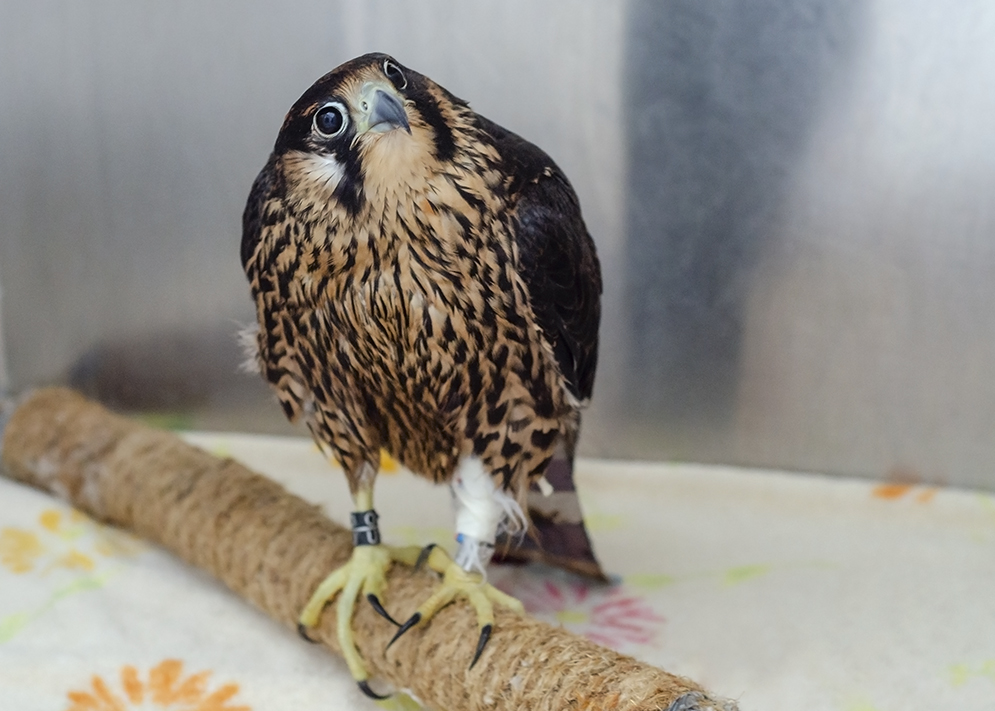
by Courtney Collins There are five groups that make up the birds-of-prey species; these include Accipiter hawks, Buteo hawks, eagles, falcons, and vultures. Eagles and
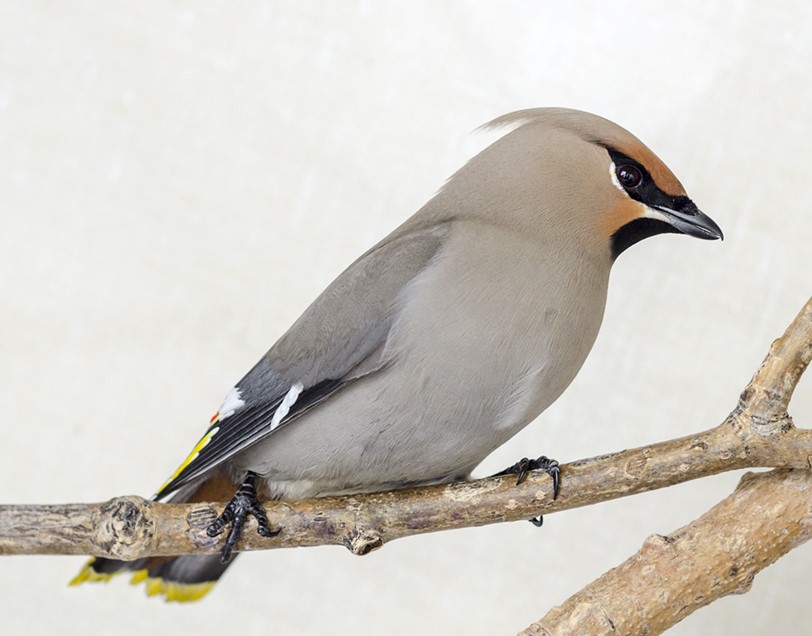
By Julia Gaume Waxwing birds are a type of passerine songbird named for the presence of waxy tips on the wings of many species (Smithsonian’s
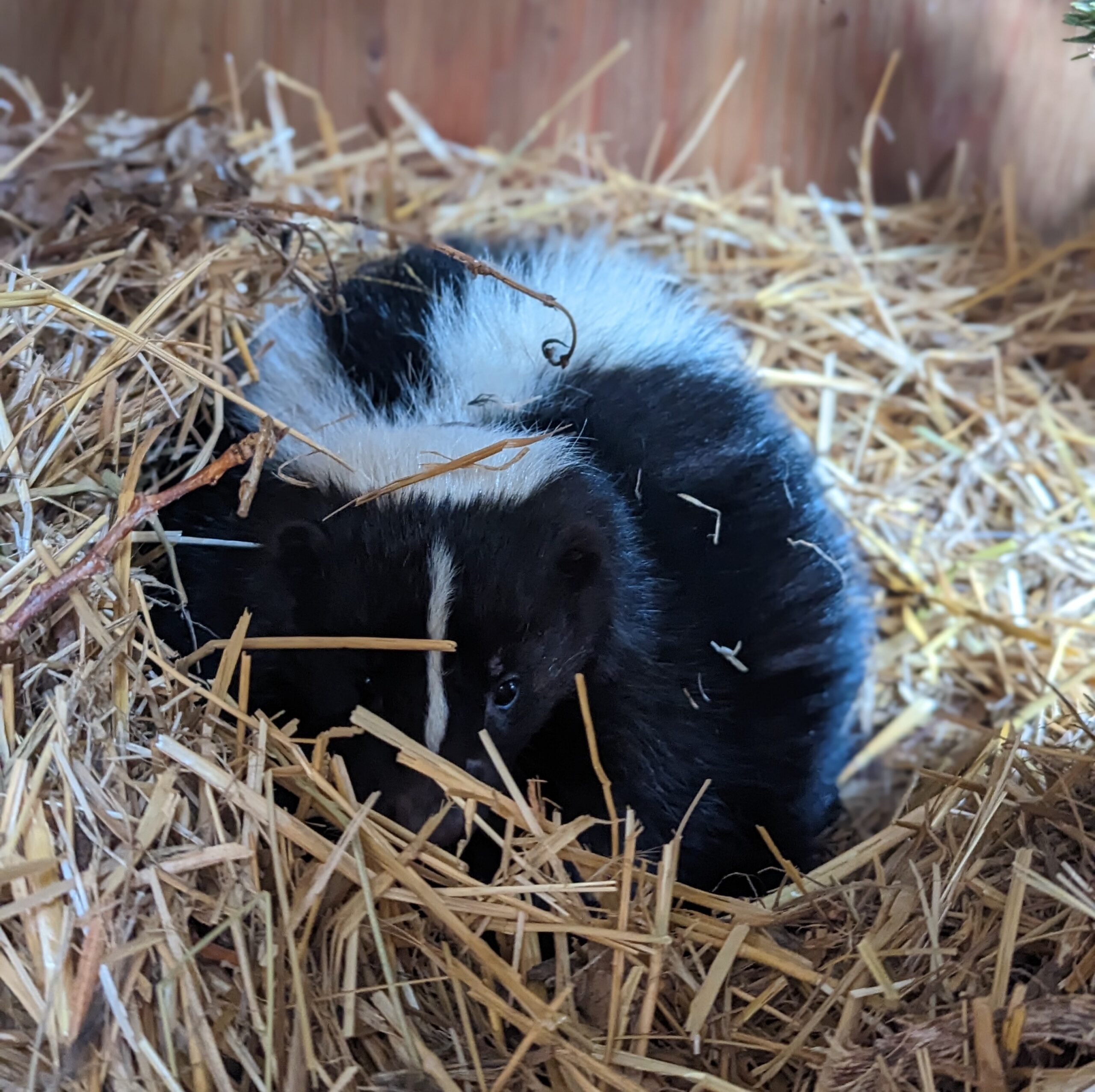
By Kendra Thomas How do skunks cope with winter? During the coldest months of winter, skunks retreat to underground dens where they enter a state
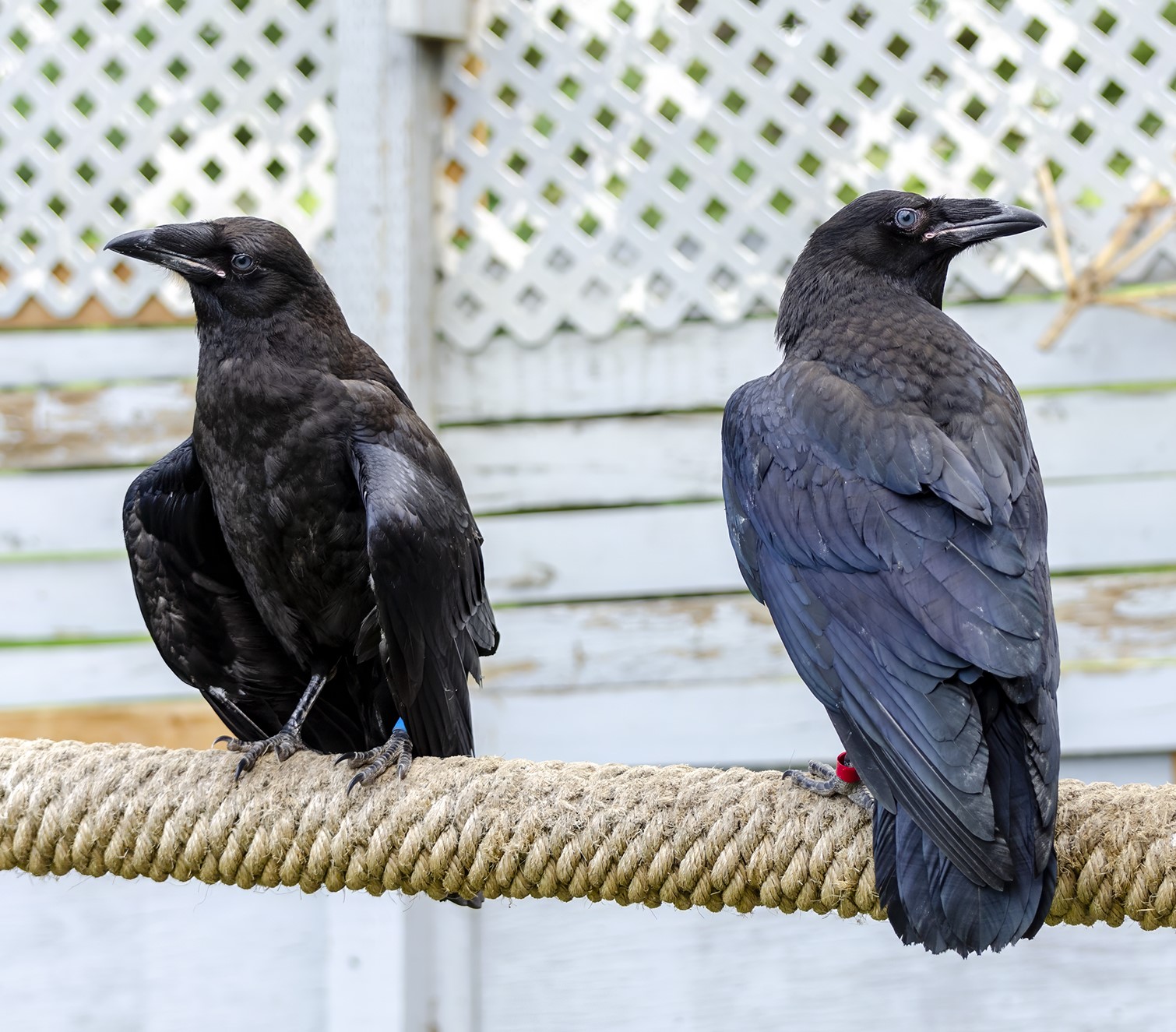
By Sydney Nelson Birds are ubiquitous on Earth: they inhabit every continent and every ecosystem, from tundra to desert and wetland to rainforest. In Alberta
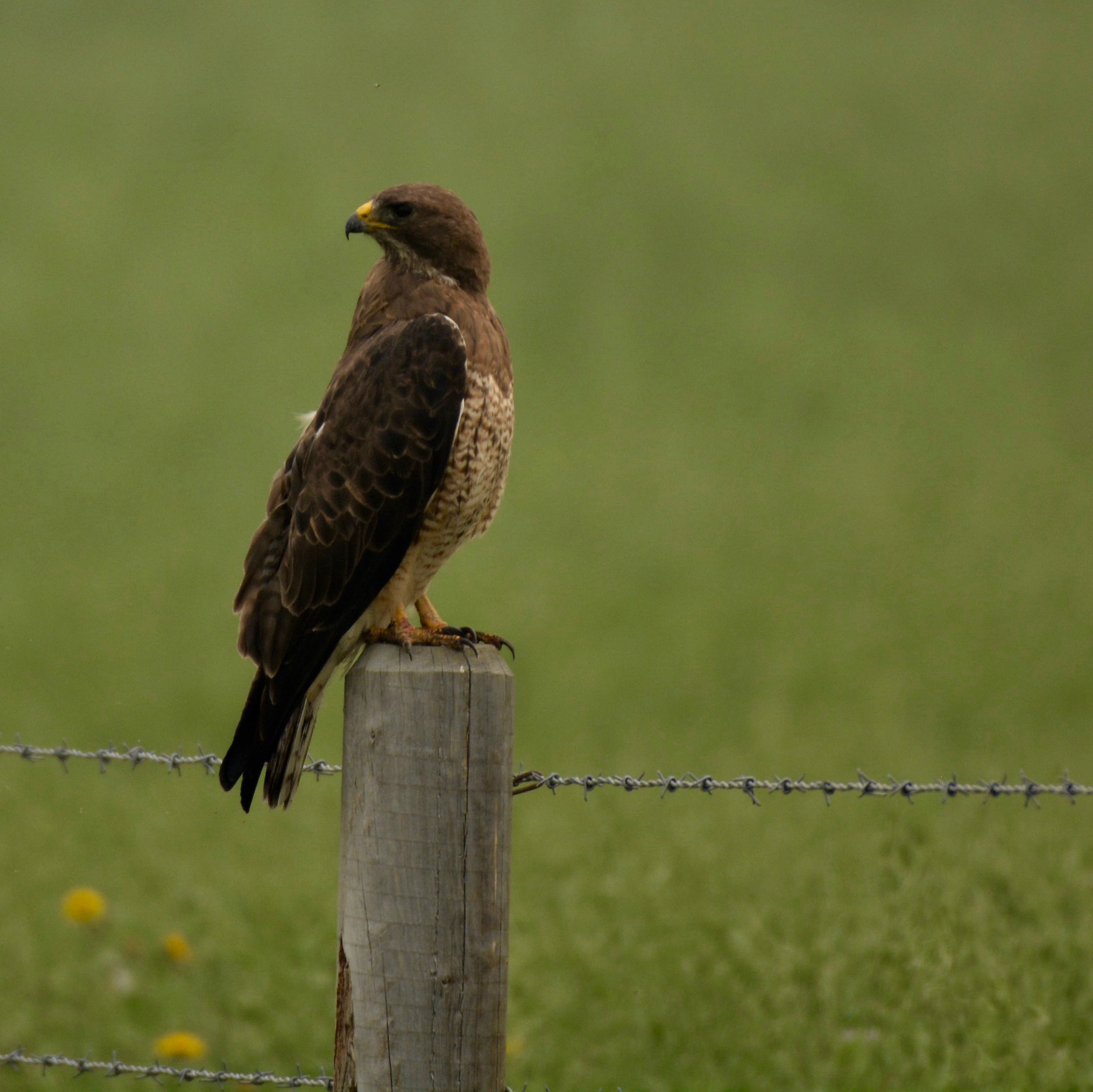
By Courtney Collins You may have seen a Swainson’s hawk (Buteo swainsoni) without even realising it as they are a common sight throughout the spring,
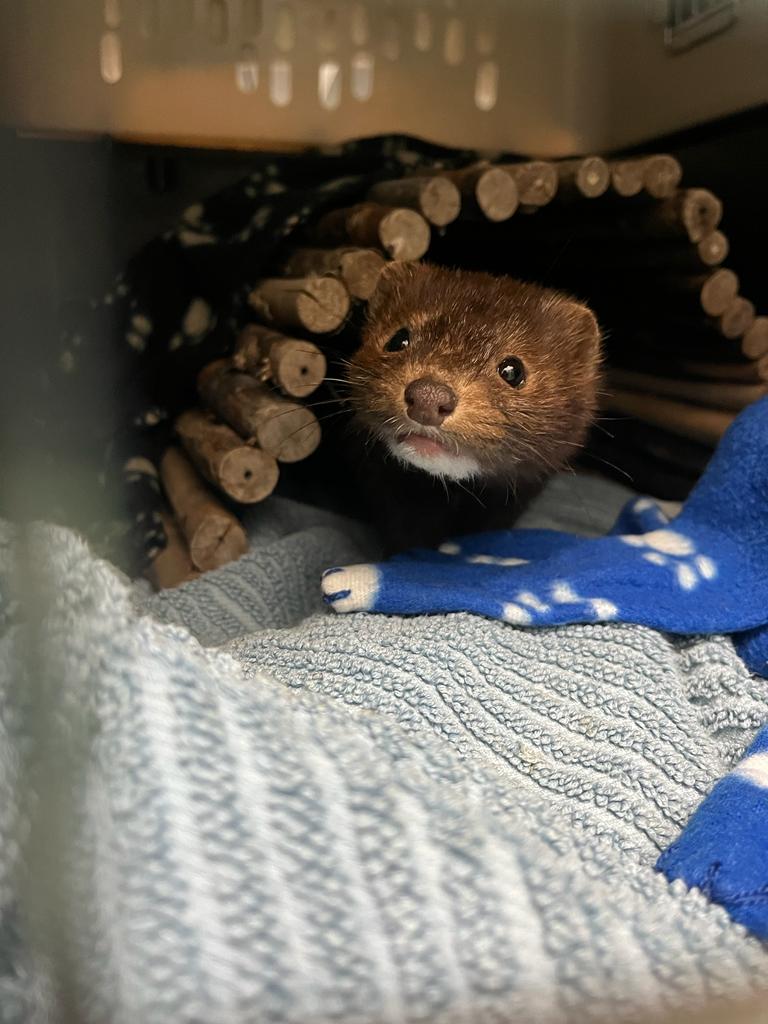
By Shalene Hughes The word “Mustelidae” is derived from the Latin word Mustela which means weasel.1 The Mustelidae are a diverse group of carnivorous mammals
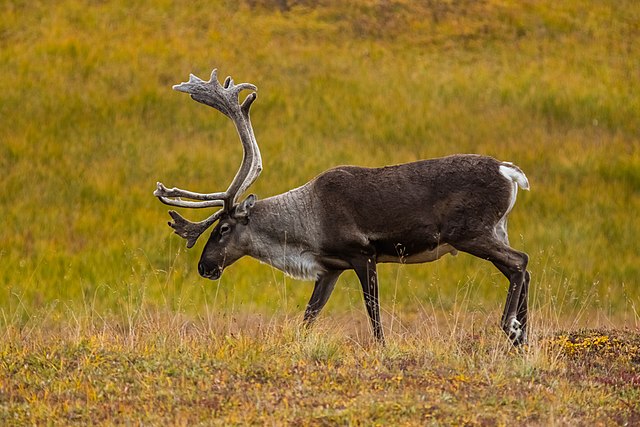
By Kendra Thomas Caribou are members of the ungulate family, a family that includes hoofed mammals such as deer and moose. Caribou can be found