Wildlife

Animal Super Senses: How Wildlife Experiences the World
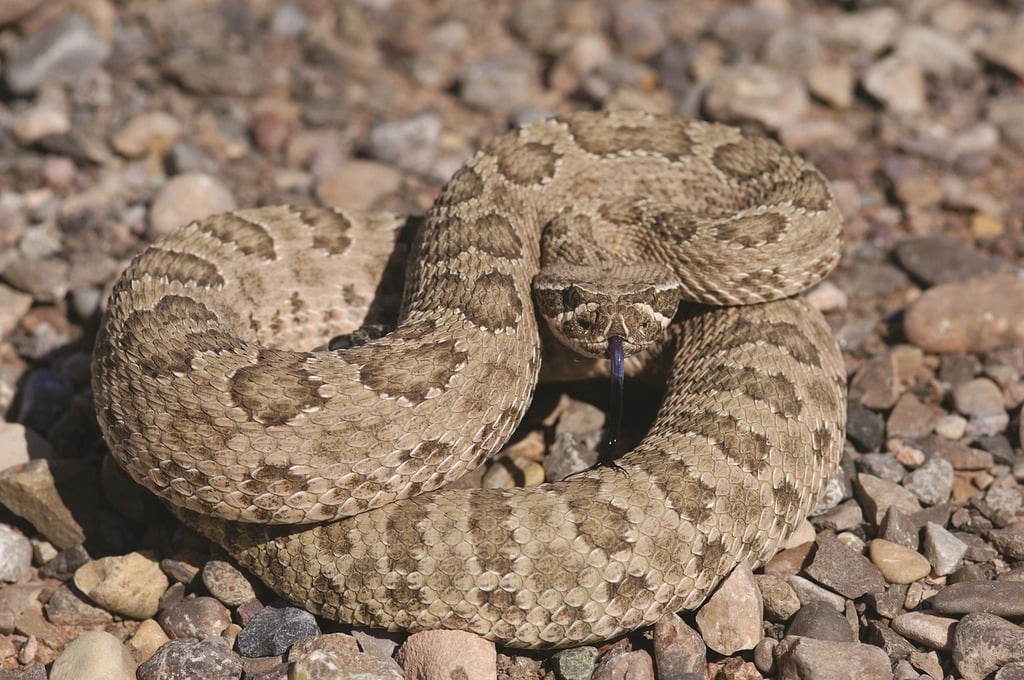
by Zoe Joy As children, we are taught about a human’s 5 basic senses: sight, hearing, taste, smell and touch. Our senses help aid us
by Zoe Joy As children, we are taught about a human’s 5 basic senses: sight, hearing, taste, smell and touch. Our senses help aid us
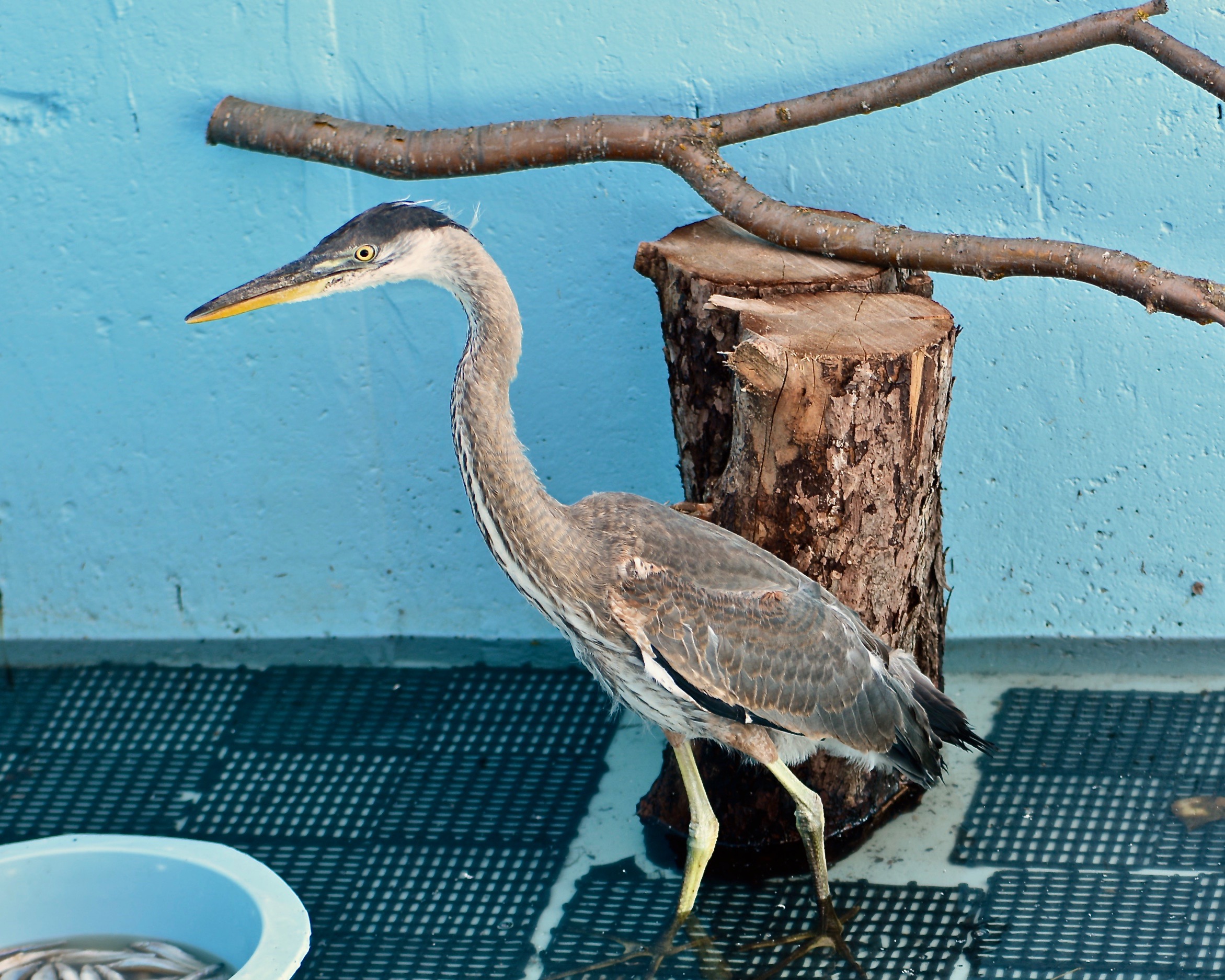
by Courtney Collins Great blue herons, Ardea herodias, are the largest heron in Canada and the largest wading birds in North America.1 They have blue-grey
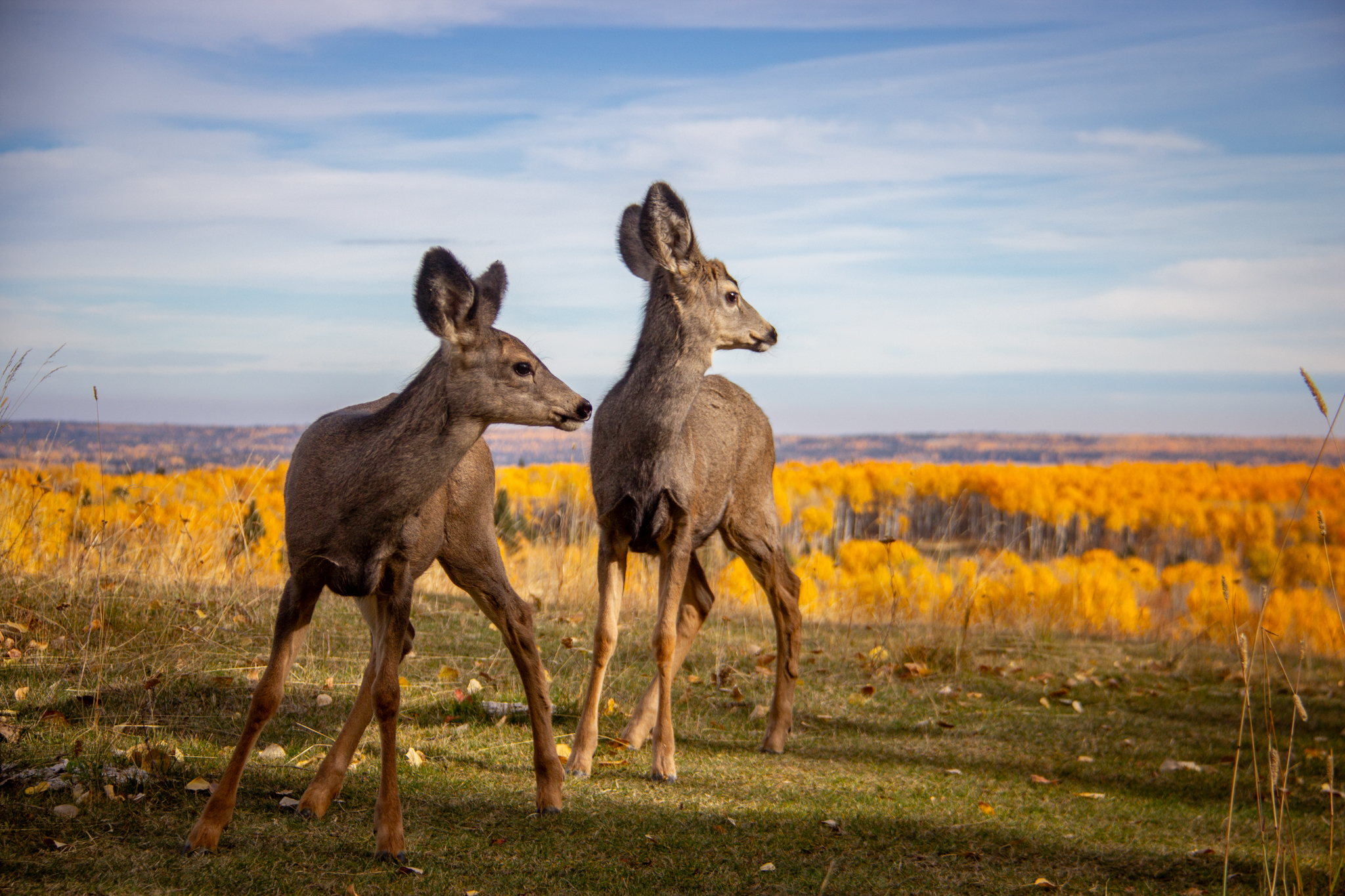
By Natalia Galan If you live in Alberta, you have probably seen a deer grazing in a field or darting across a road. But did
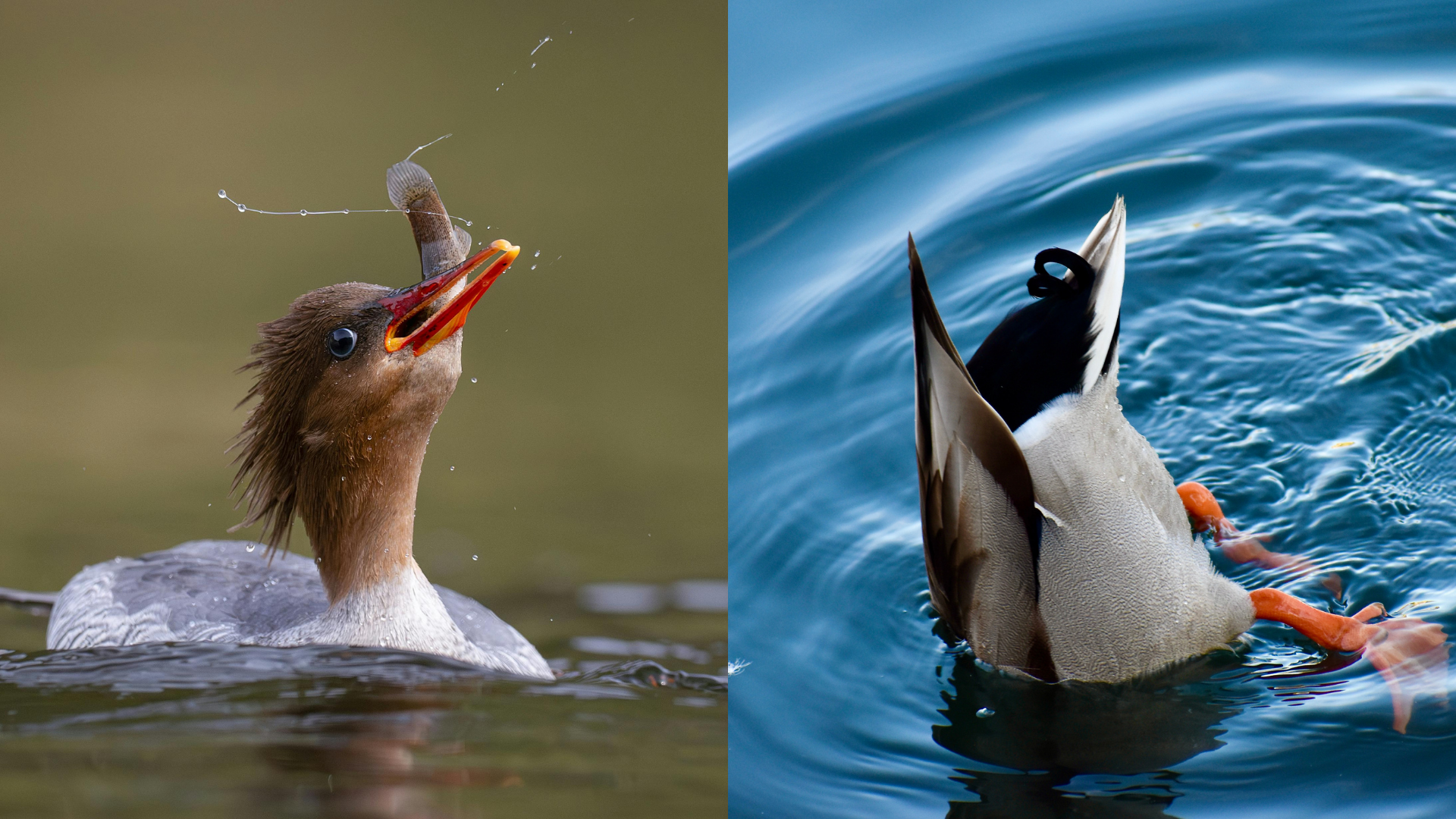
By Chelsea Blyth Wetlands across Alberta are dynamic ecosystems that support a wide variety of waterfowl. From shallow prairie potholes to deep northern lakes, these

By Carley Goodreau The Lakota people first called them Mako Sica – directly translating to “bad lands,” the French: “les mauvaises terres a traveser,” –
By Gabriella Livingstone and Nina Obiar Climate change is a growing issue in wildlife conservation. Throughout our mini blog series, we’ve discussed some pressing climate-related
By Gabriella Livingstone and Nina Obiar Climate change is impacting regions and ecosystems across Canada. Recent warming in North America has already led to increased
By Gabriella Livingstone and Nina Obiar One AIWC blog post from 2018 took a fascinating look at invasive species such as the brown rat, common
What is Citizen Science? In order to produce meaningful information and develop science-based programs, researchers need to have access to huge amounts of data. But
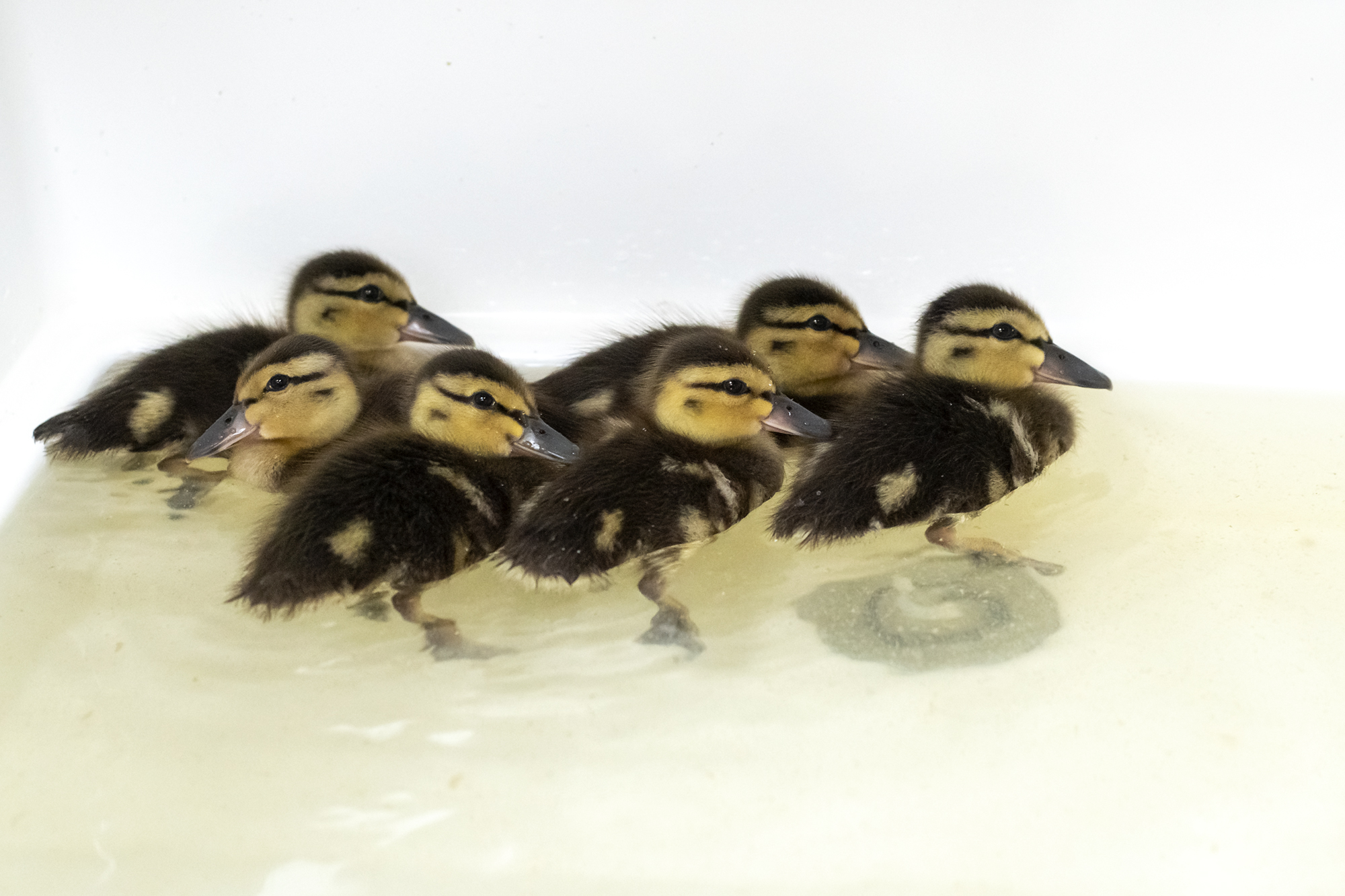
By Gabriella Livingstone and Nina Obiar. Summer is officially here, and temperatures are rising. As we begin to reach the hotter summer months I’m sure