Wildlife

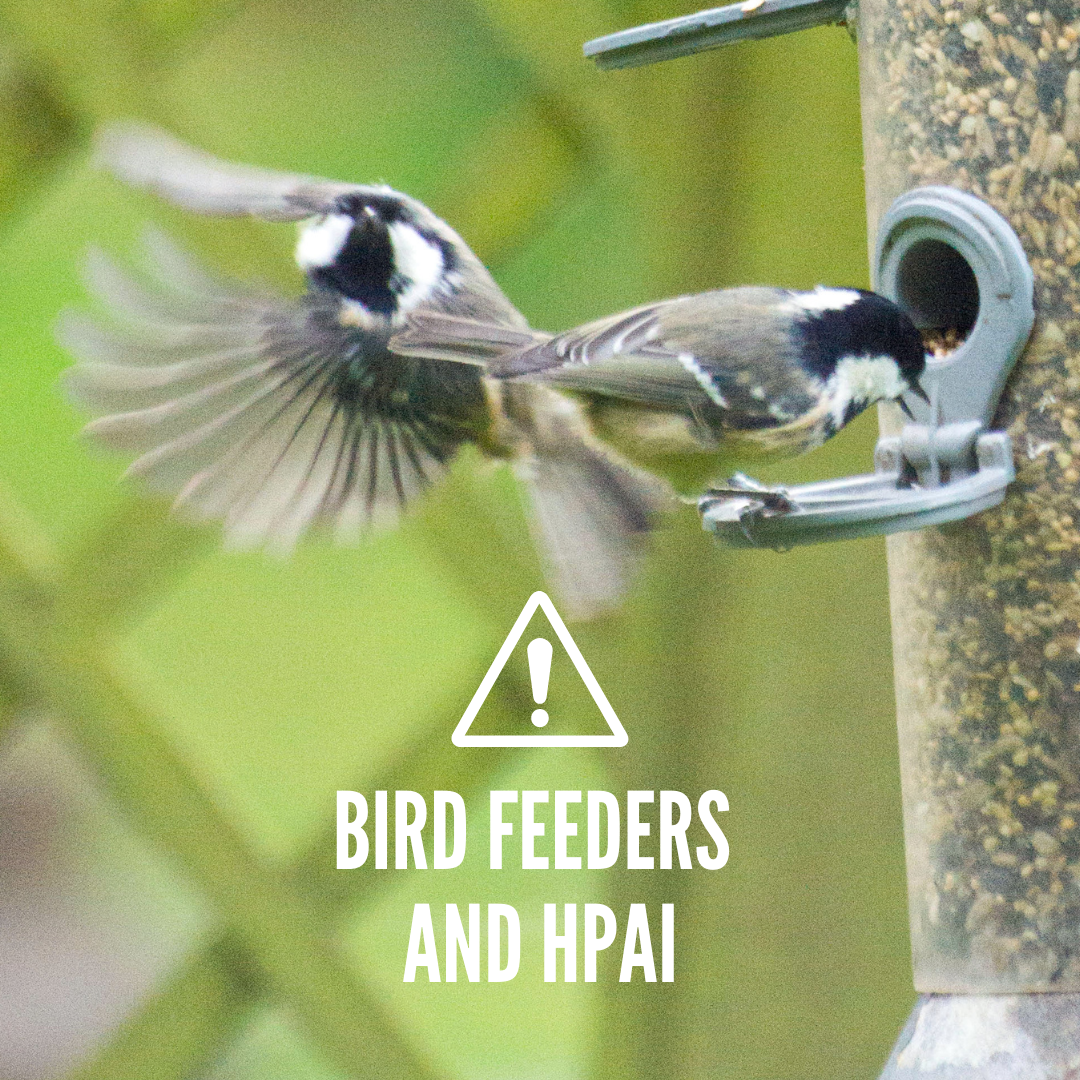
HPAI and Bird feeder update
Highly Pathogenic Avian Influenza (HPAI) hit hard in April when the first cases were detected in Alberta. We were receiving infected animals almost daily. From
Highly Pathogenic Avian Influenza (HPAI) hit hard in April when the first cases were detected in Alberta. We were receiving infected animals almost daily. From
Highly Pathogenic Avian Influenza (HPAI) has been detected in Alberta, as well as many other provinces across Canada. “Avian Influenza: Avian influenza is a contagious
In July 2020, Alberta Institute for Wildlife Conservation (AIWC) partnered with National Wildlife Centre to provide 1-year veterinary internships at our facility North West of

No day is ever the same in wildlife rehabilitation, without any notice we can receive a wave of new animals in need of care, something
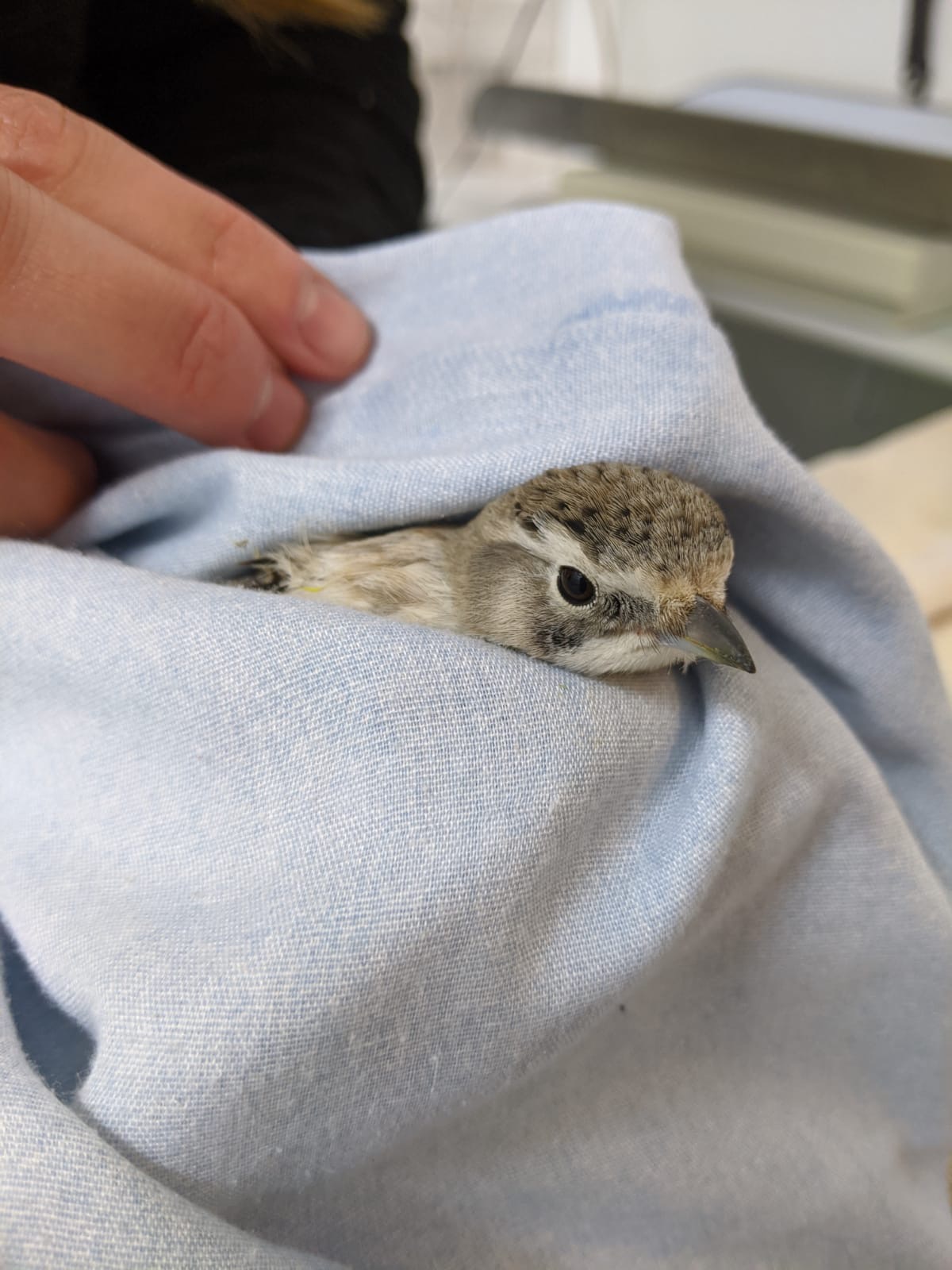
Thousands of birds are making their way back to Alberta for breeding season, many more call Alberta home year-round. As a wildlife hospital, we practice
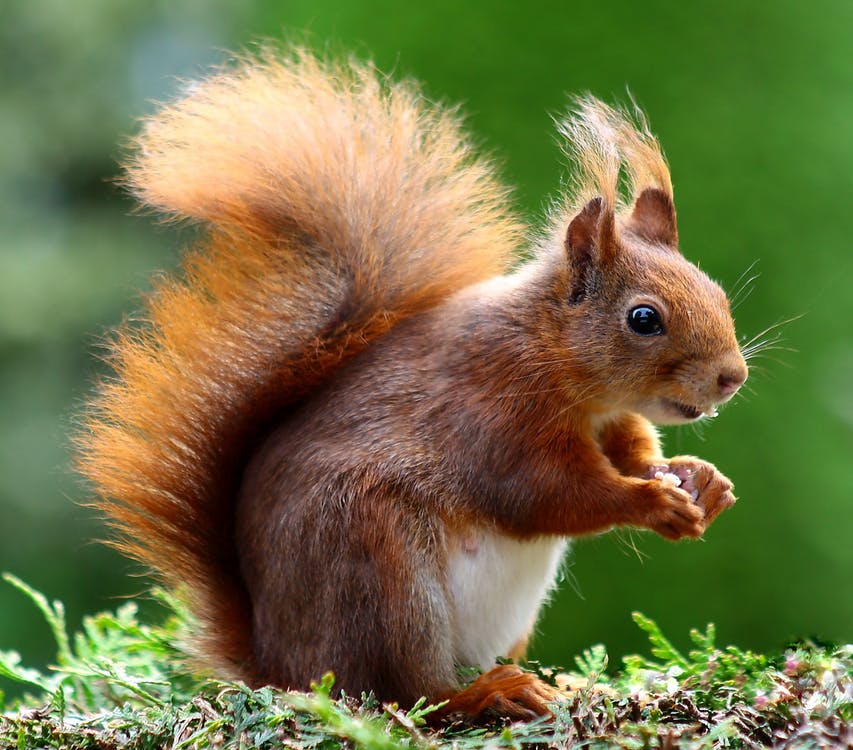
Social media marketing campaigns have been found to be effective in promoting wildlife conservation, studies show. Marketing campaigns of any kind aim to change human behavior.
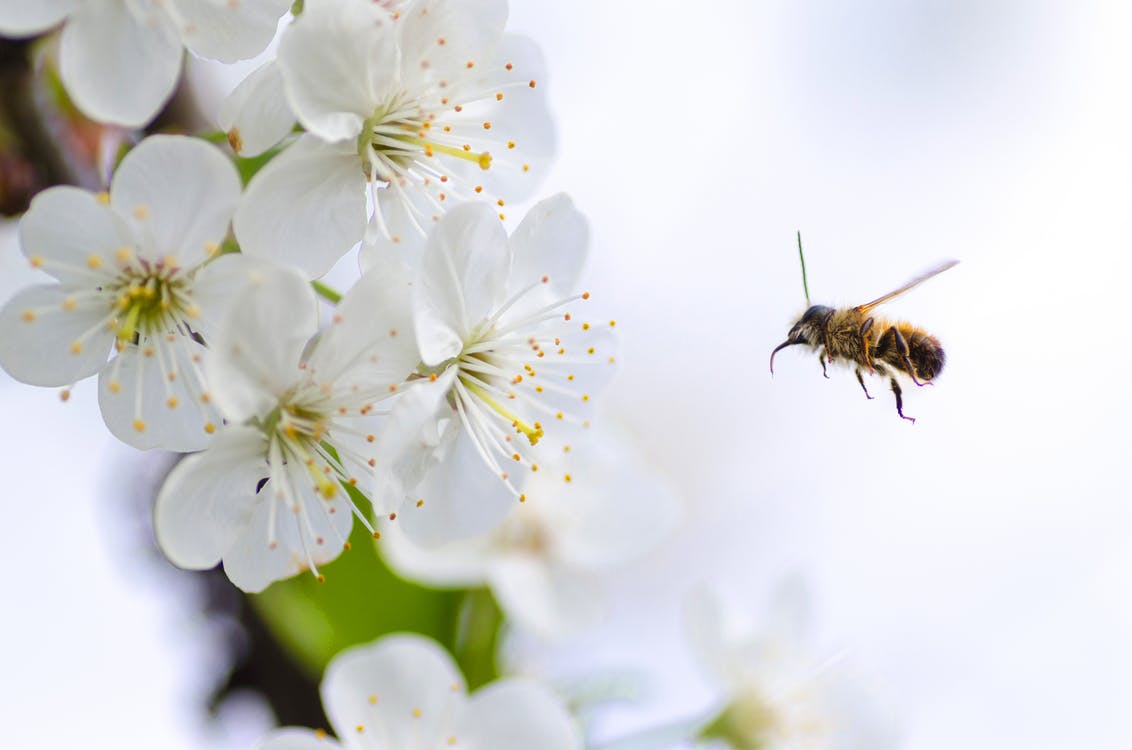
The annual failure rate of bee colonies is 30 percent across North America. In today’s society, it’s certainly tough to be a bee. Between pesticides, predators, and
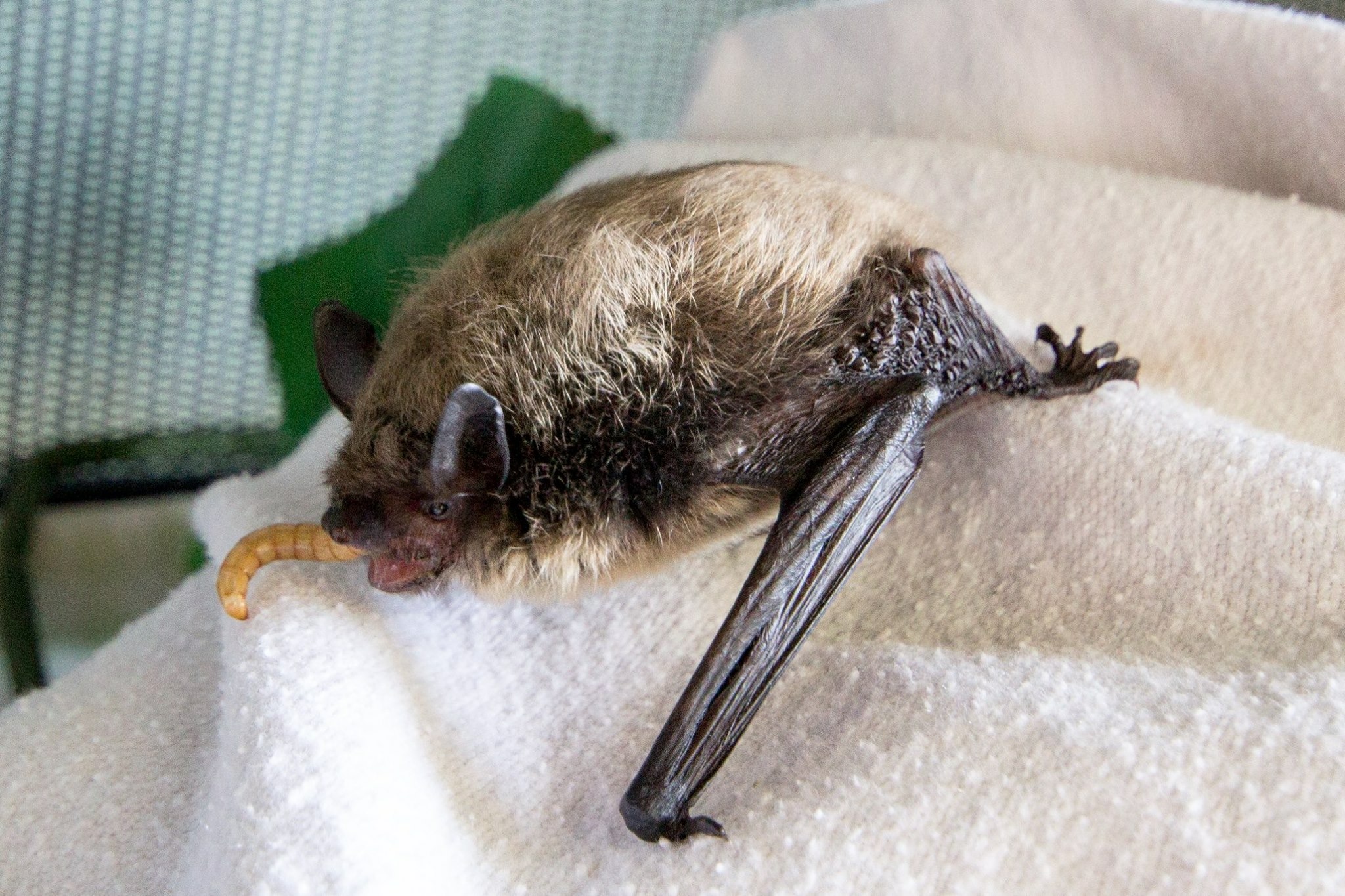
The little brown bat, or Myotis lucifugus is the most common bat in Alberta. Aptly named for its size and colour, the little brown bat
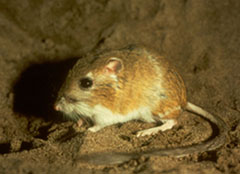
What are Ord’s kangaroo rats? Ord’s kangaroo rat (Dipodomys ordii) is a subspecies of kangaroo rat native to western North America, including parts of southern
In June of 2016, a baby beaver was found on a Calgary-area golf course, alone and with an injured tail. The baby beaver, who was