Wildlife

Animal Super Senses: How Wildlife Experiences the World
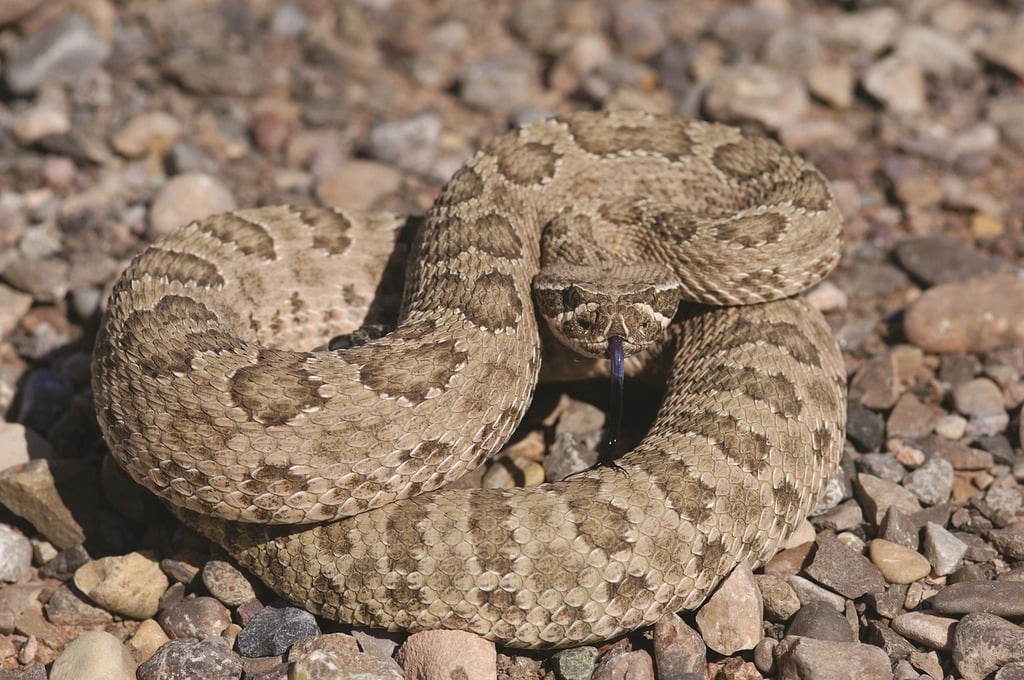
by Zoe Joy As children, we are taught about a human’s 5 basic senses: sight, hearing, taste, smell and touch. Our senses help aid us
by Zoe Joy As children, we are taught about a human’s 5 basic senses: sight, hearing, taste, smell and touch. Our senses help aid us
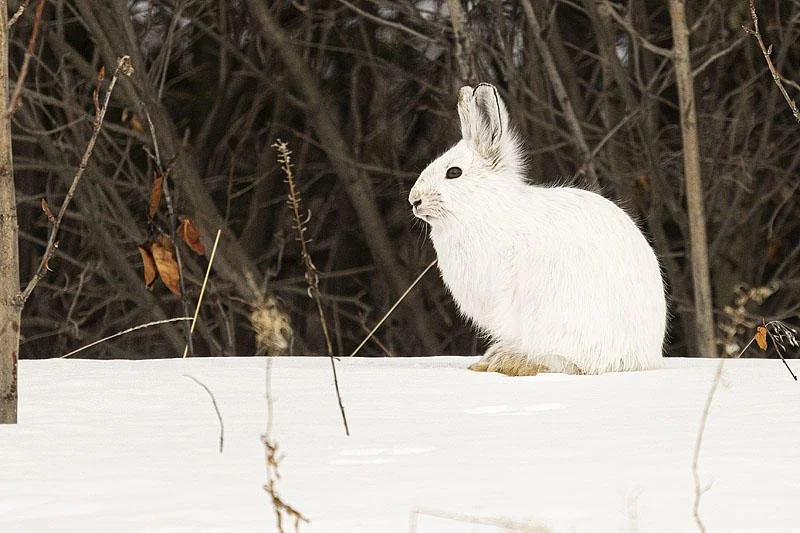

by Holly Hastings There are a few animals in the wild that portray the intricate relationship between predator and prey so clearly. One of them,
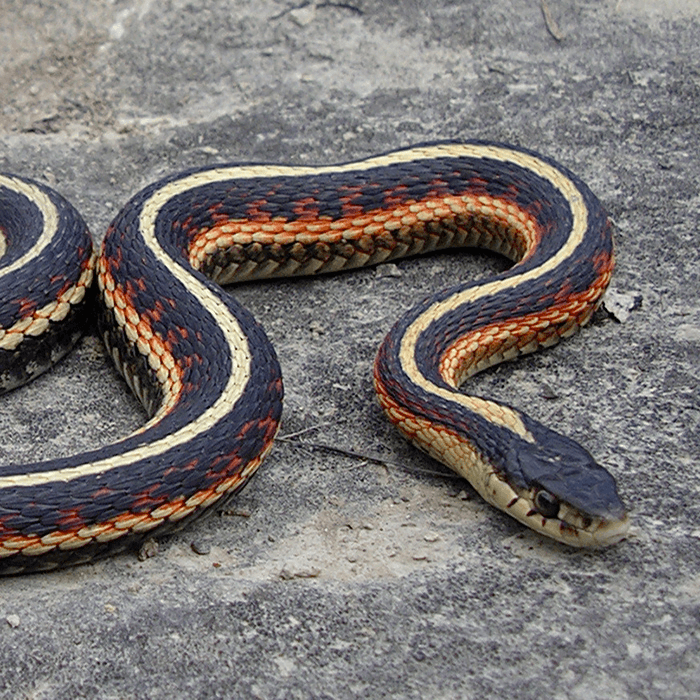
by Zoe Joy Growing up, we learn that one of the key differences between mammals and reptiles is that reptiles generally lay eggs. However, this
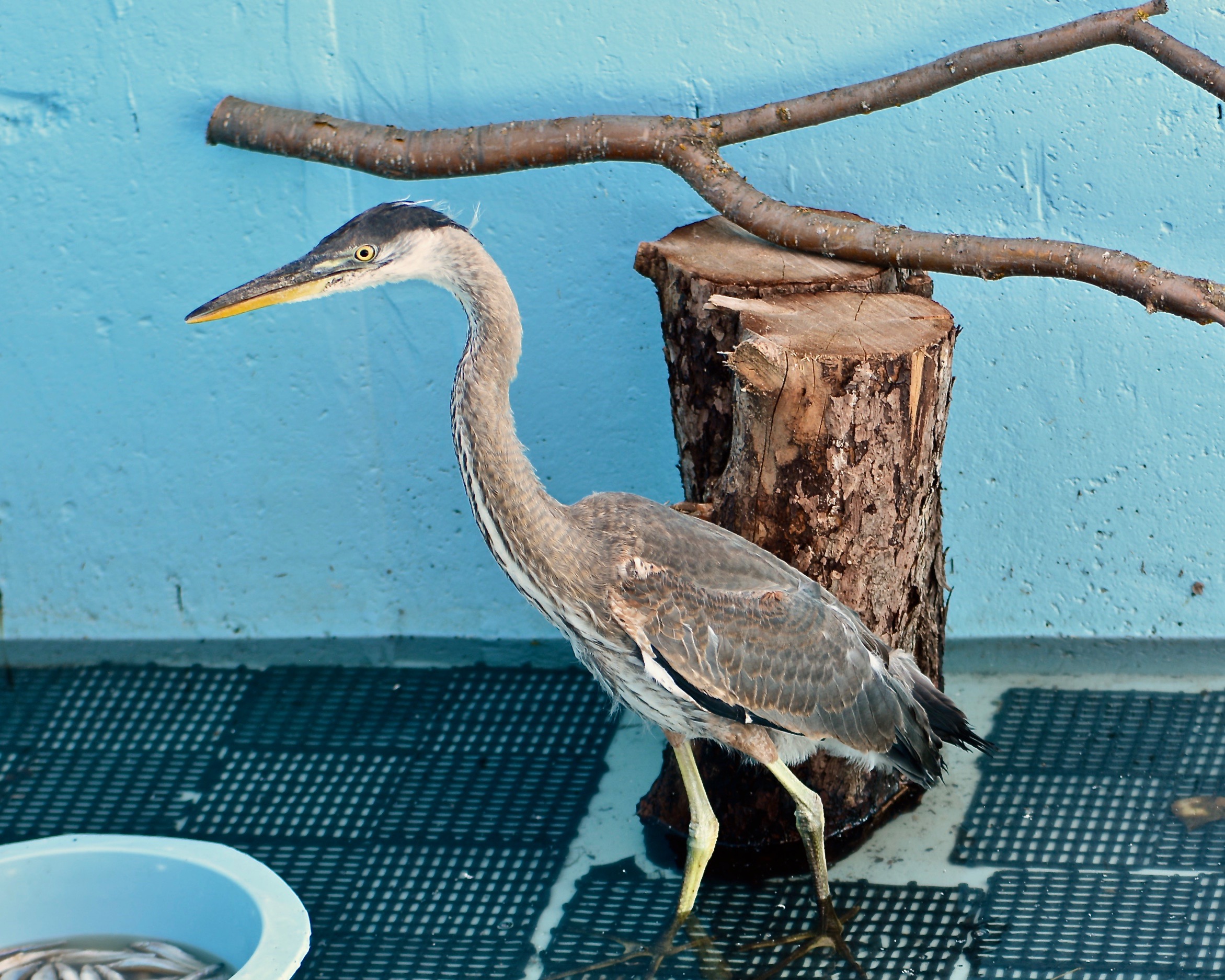
by Courtney Collins Great blue herons, Ardea herodias, are the largest heron in Canada and the largest wading birds in North America.1 They have blue-grey
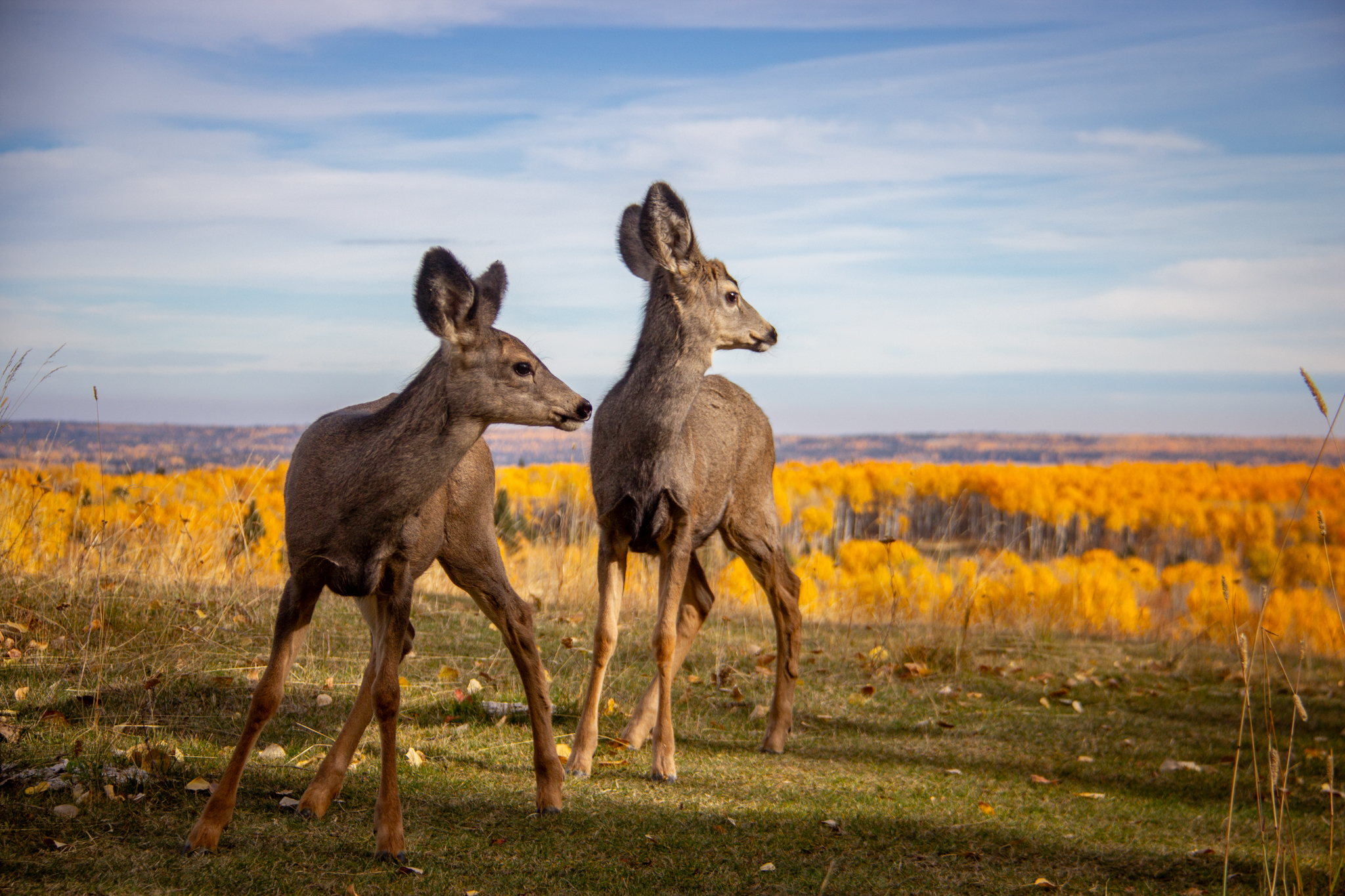
By Natalia Galan If you live in Alberta, you have probably seen a deer grazing in a field or darting across a road. But did
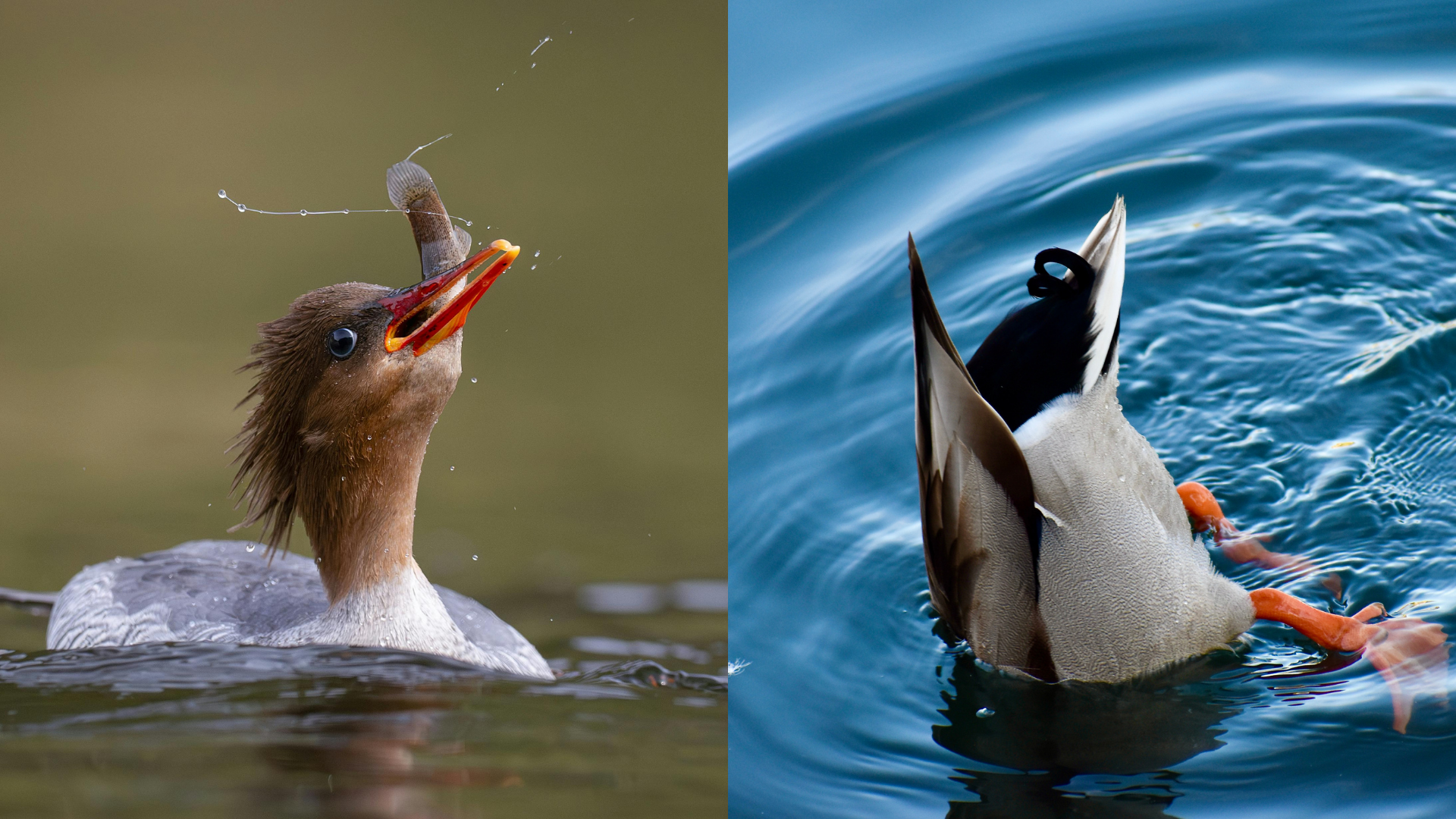
By Chelsea Blyth Wetlands across Alberta are dynamic ecosystems that support a wide variety of waterfowl. From shallow prairie potholes to deep northern lakes, these
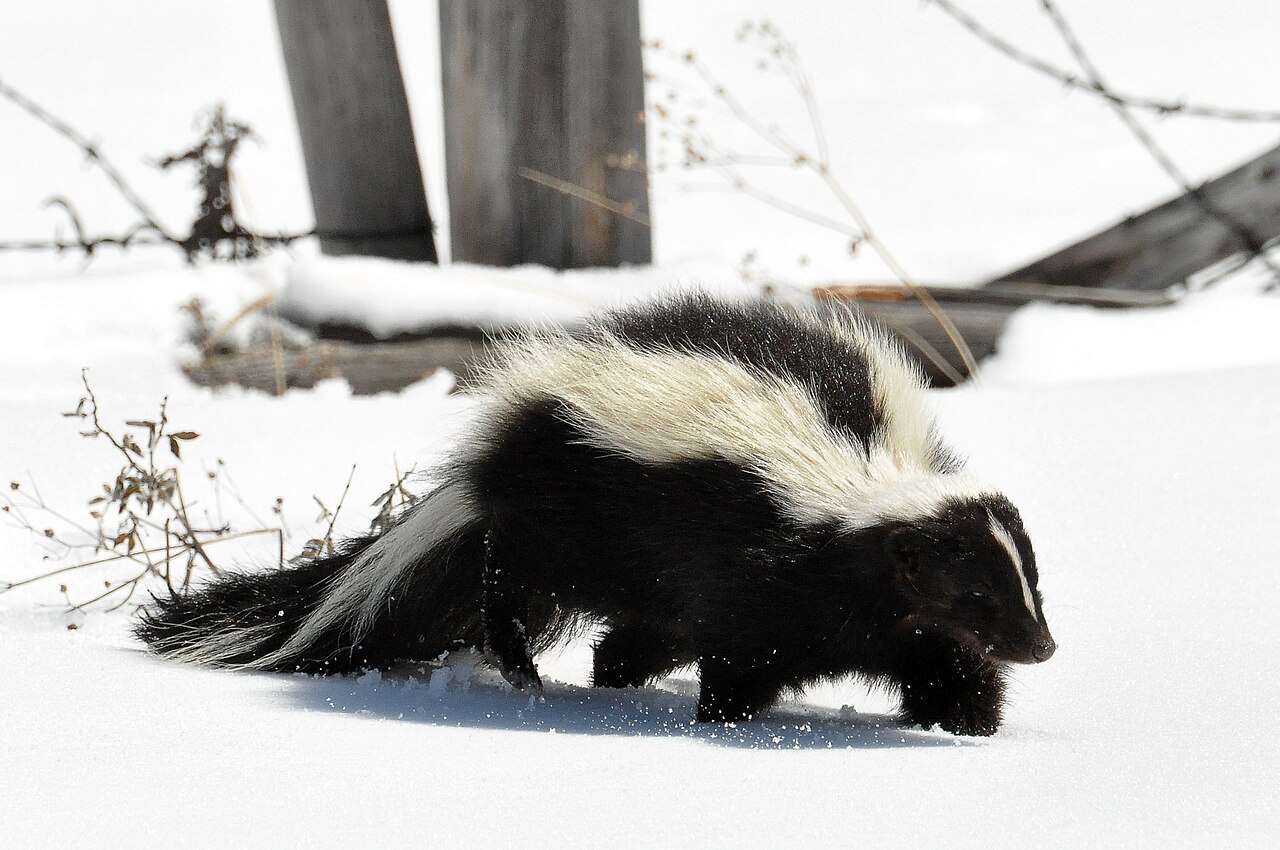

By Katie Grant As the snow thaws and March days grow longer, the striped skunk begins stirring more often near farms, grasslands, and even urban
By Natalia Galan Amphibians are often overlooked, but they are some of Alberta’s most vital, and most vulnerable, creatures. Our native toads are crucial to
By Holly Hastings Two crossbill species exist in Alberta; the Red Crossbill (Loxia curvirostra) and White-winged crossbill (Loxia leucoptera). The name of this group of
By Chelsea Blyth Marmots are a familiar part of Alberta’s mountain story. These chunky rodents, best known by the hoary marmot and their rock-dwelling cousins,