Mammals

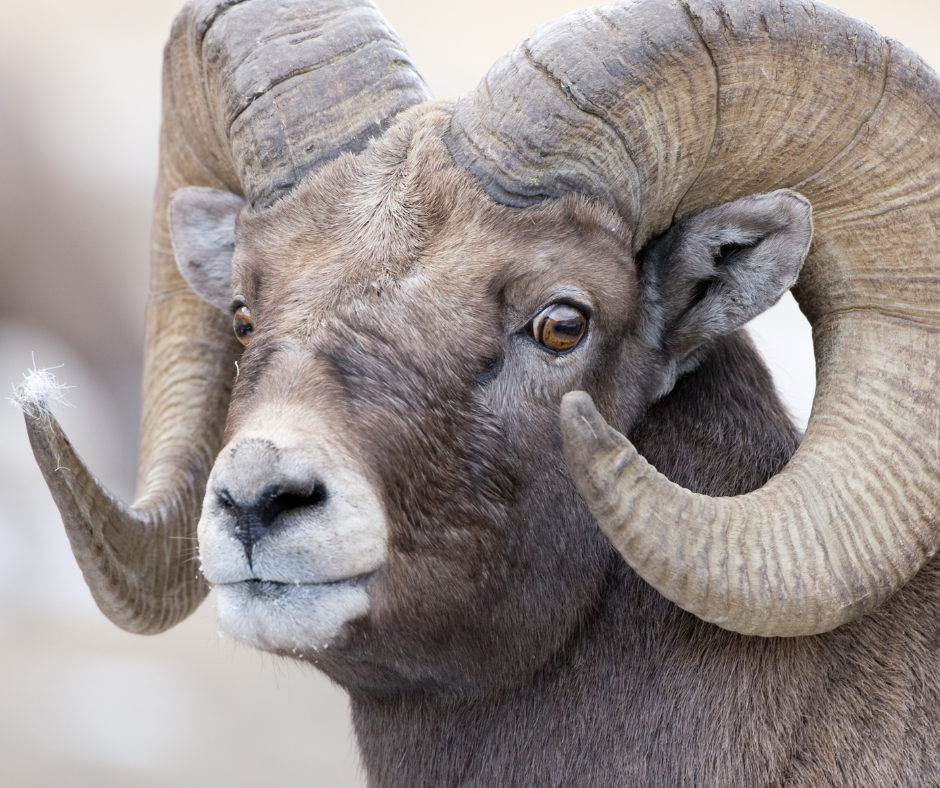
Bighorn Sheep: Alberta’s Provincial Mammal
By Carley Goodreau Have you ever driven down a winding mountain road, turned the corner, and been met with dozens of sheep perched on the
By Carley Goodreau Have you ever driven down a winding mountain road, turned the corner, and been met with dozens of sheep perched on the
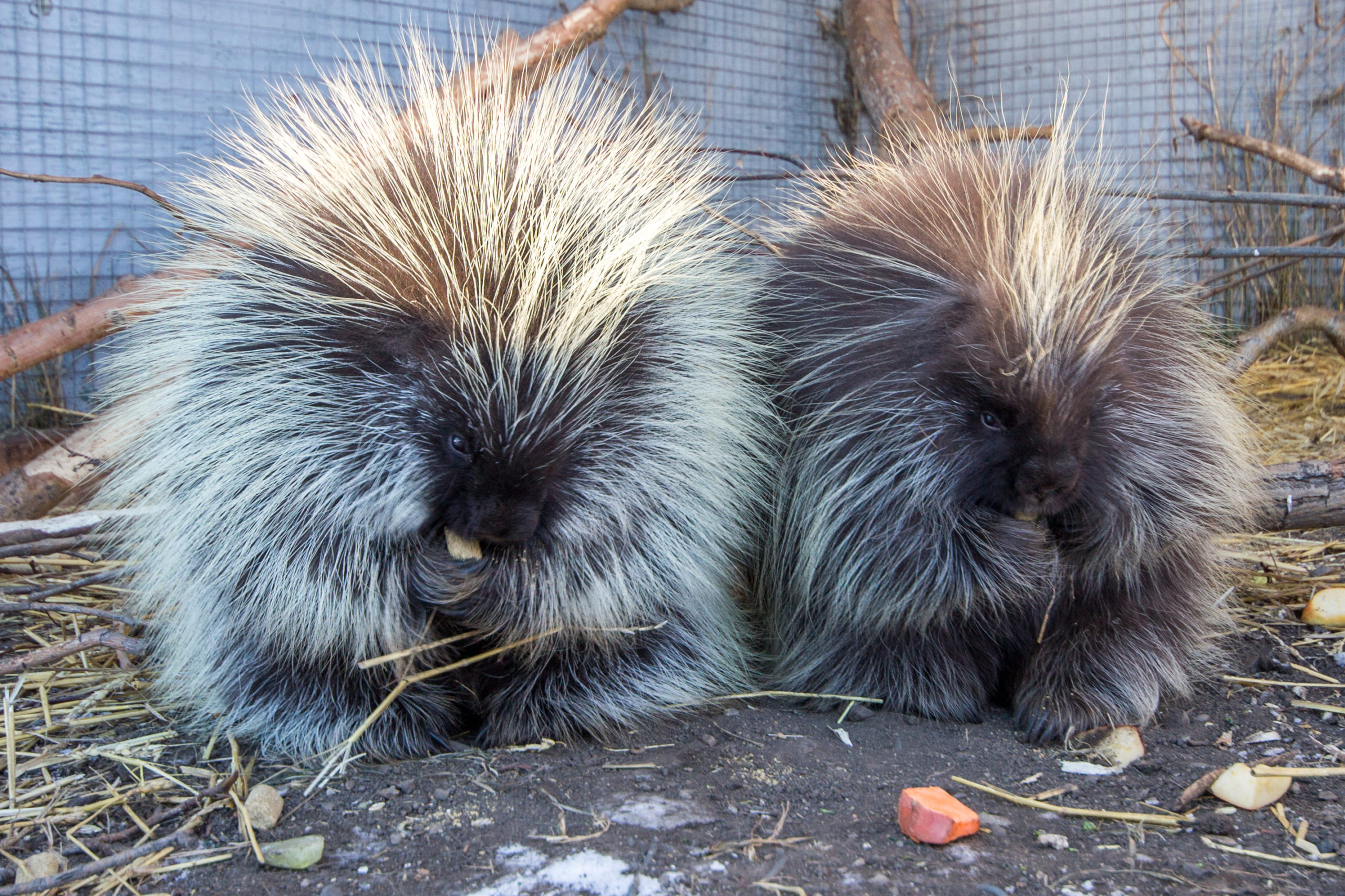
By Chelsea Blyth Living alongside porcupines in urban settings or while camping, involves understanding these unique creatures and taking certain precautions to ensure peaceful coexistence.
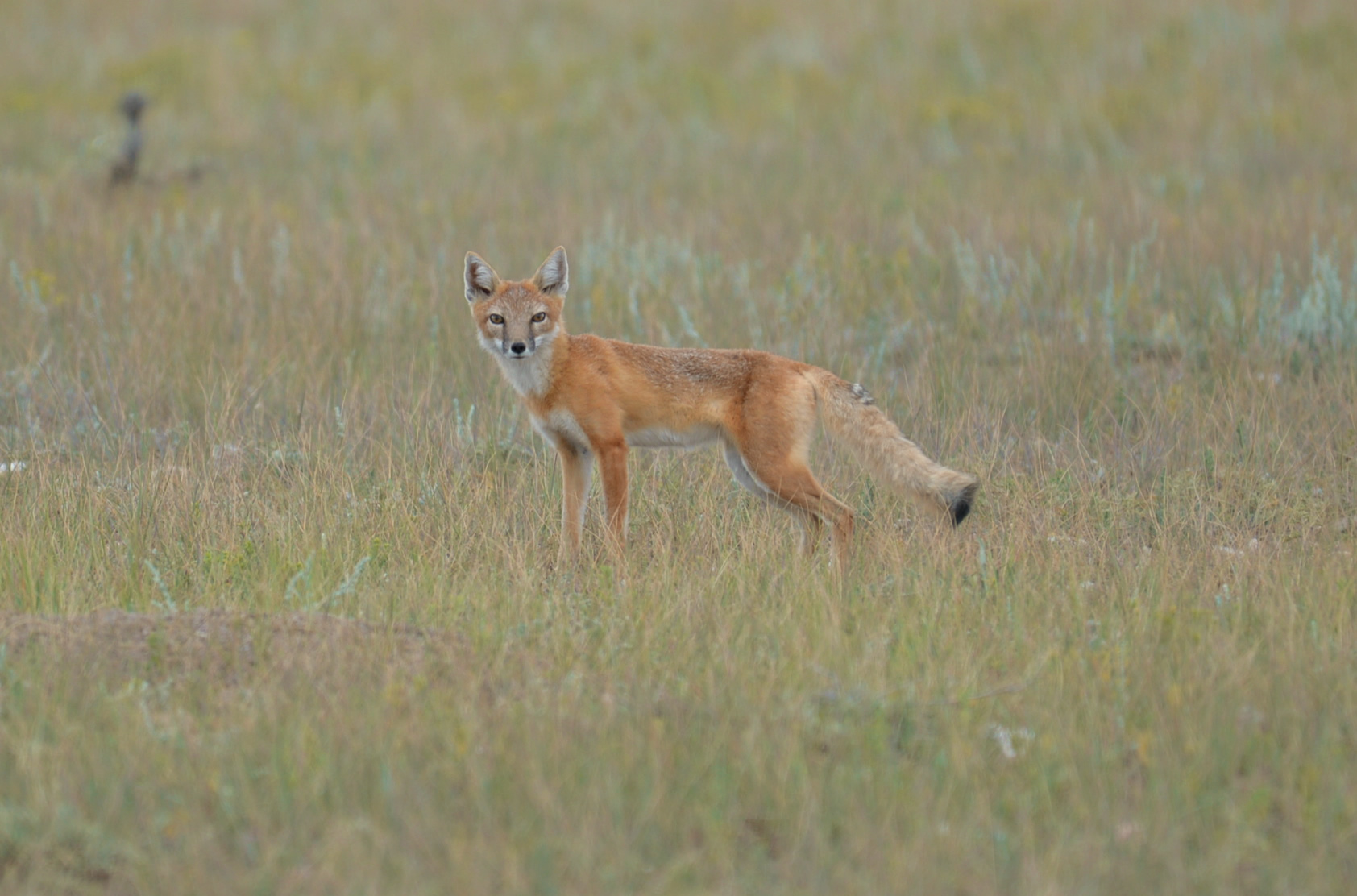
By Julia Gaume The swift fox (Vulpes velox) is a house-cat sized canid who wanders the open prairies in Alberta and Saskatchewan (and possibly Manitoba),
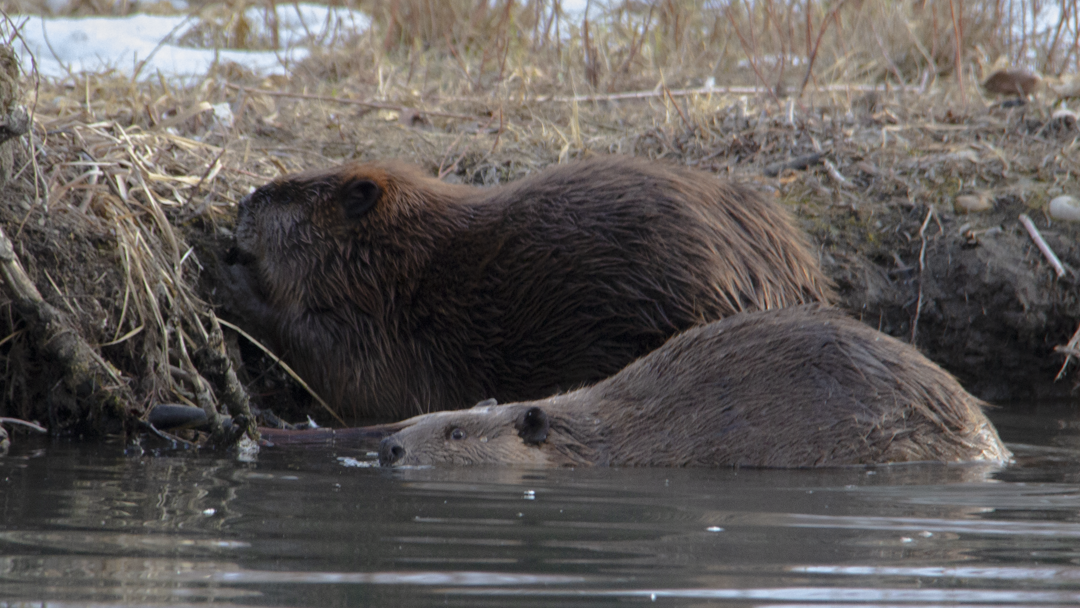
By Carley Goodreau Busy as a beaver! These famously industrious creatures can be found building dams in ponds and on the Canadian nickel. Beavers cut
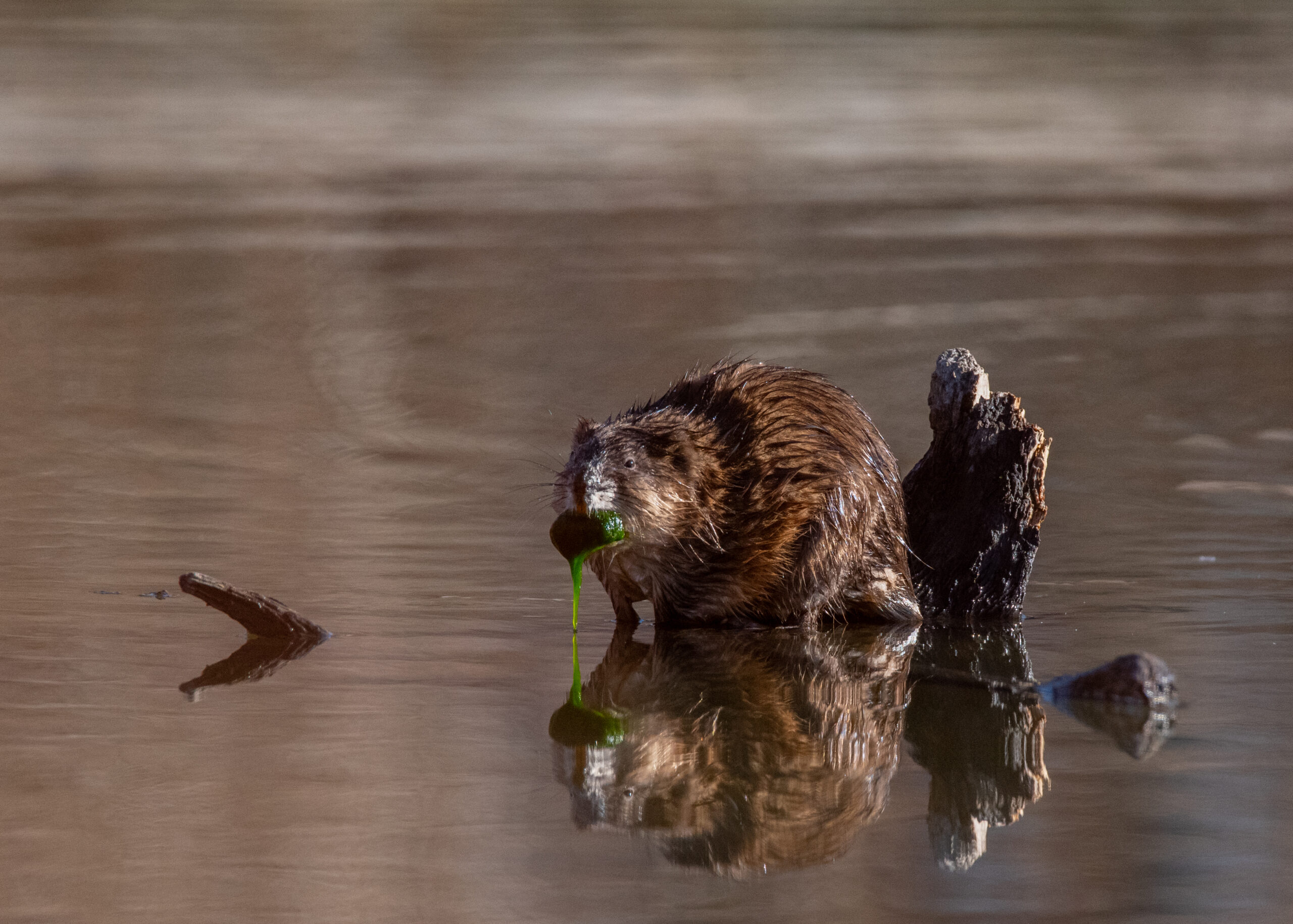
by Katie Grant Muskrats, often mistaken for their larger counterparts, beavers, are fascinating semi-aquatic rodents that play a crucial role in North America’s wetland ecosystems.
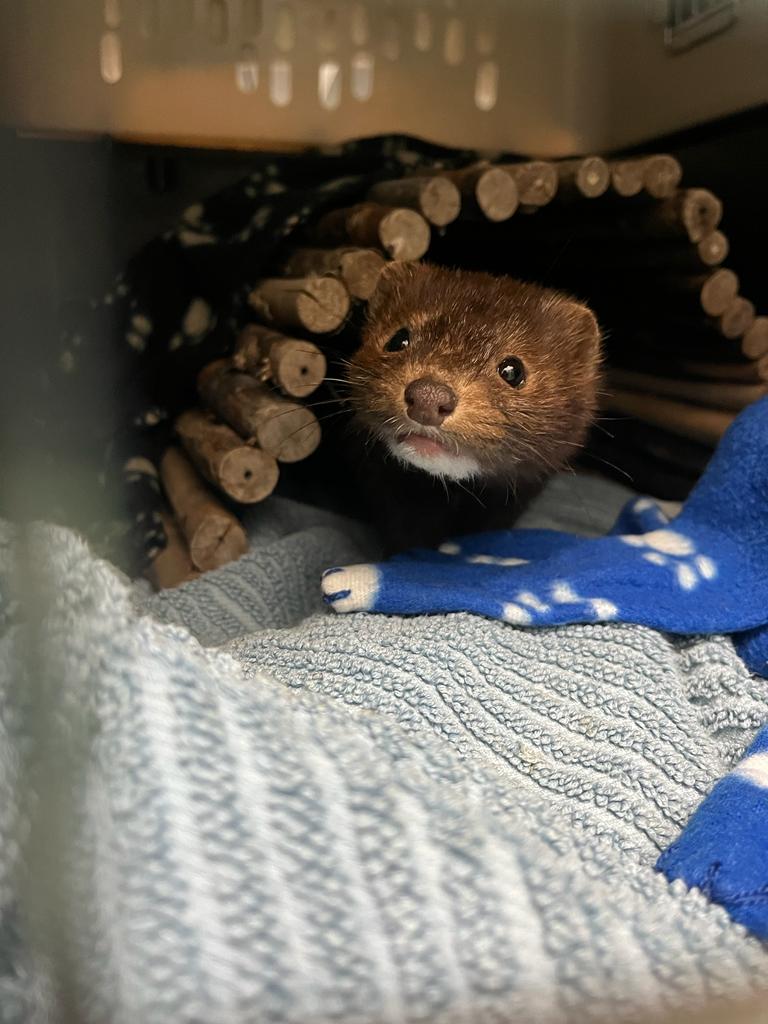
By Shalene Hughes The word “Mustelidae” is derived from the Latin word Mustela which means weasel.1 The Mustelidae are a diverse group of carnivorous mammals
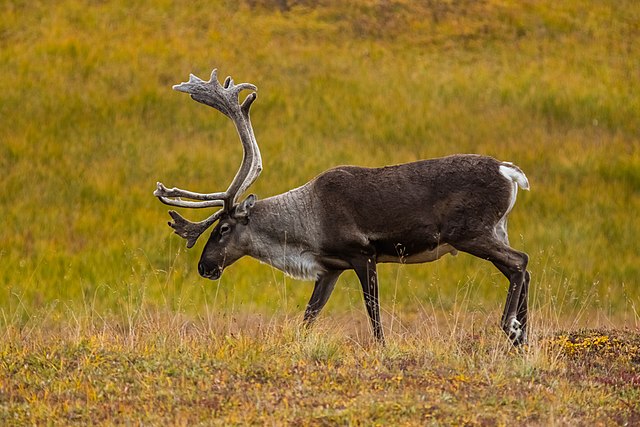
By Kendra Thomas Caribou are members of the ungulate family, a family that includes hoofed mammals such as deer and moose. Caribou can be found
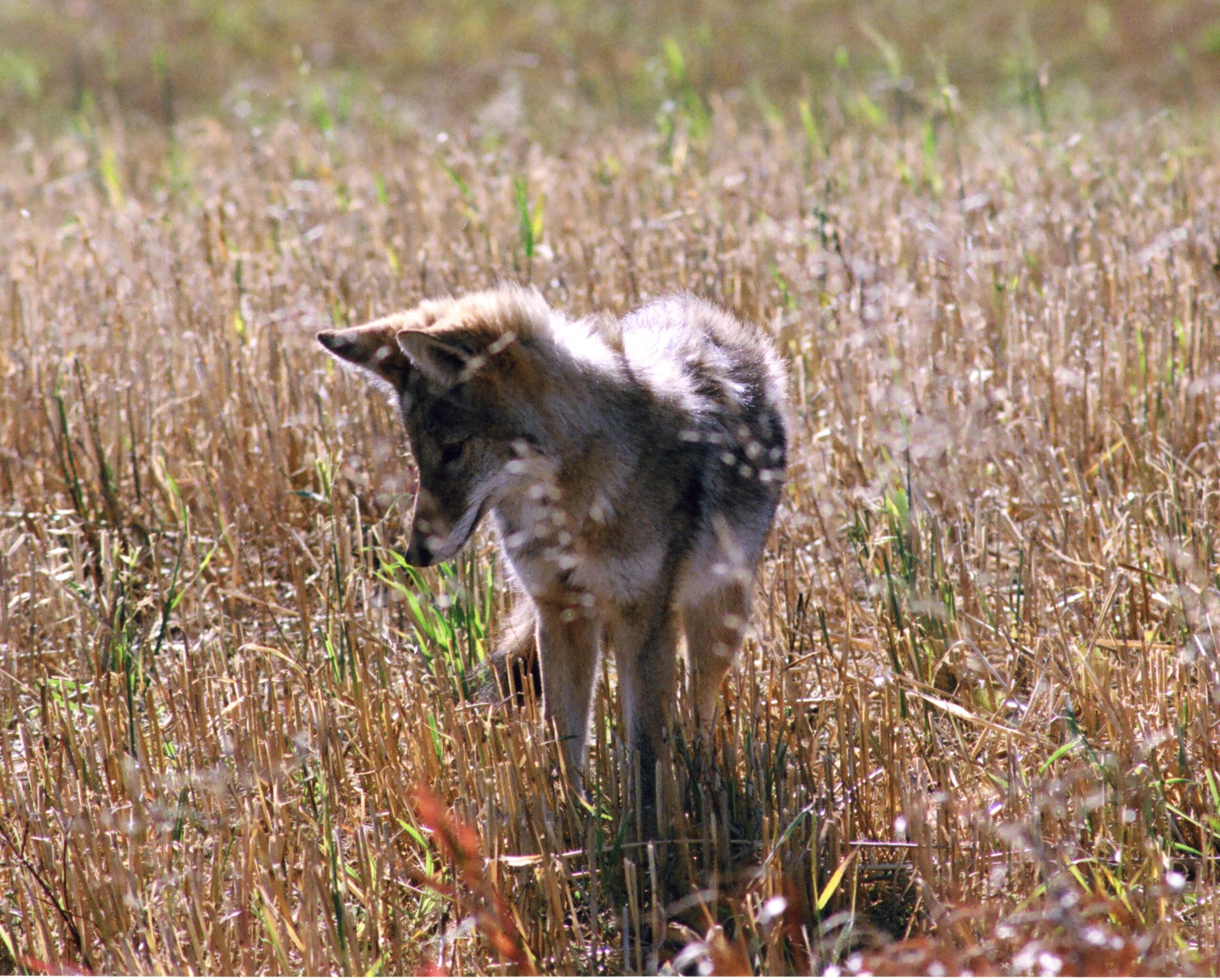
by Katie Grant The coyote is a species of canine native to North America. It is one of the seven members of the Canidae family
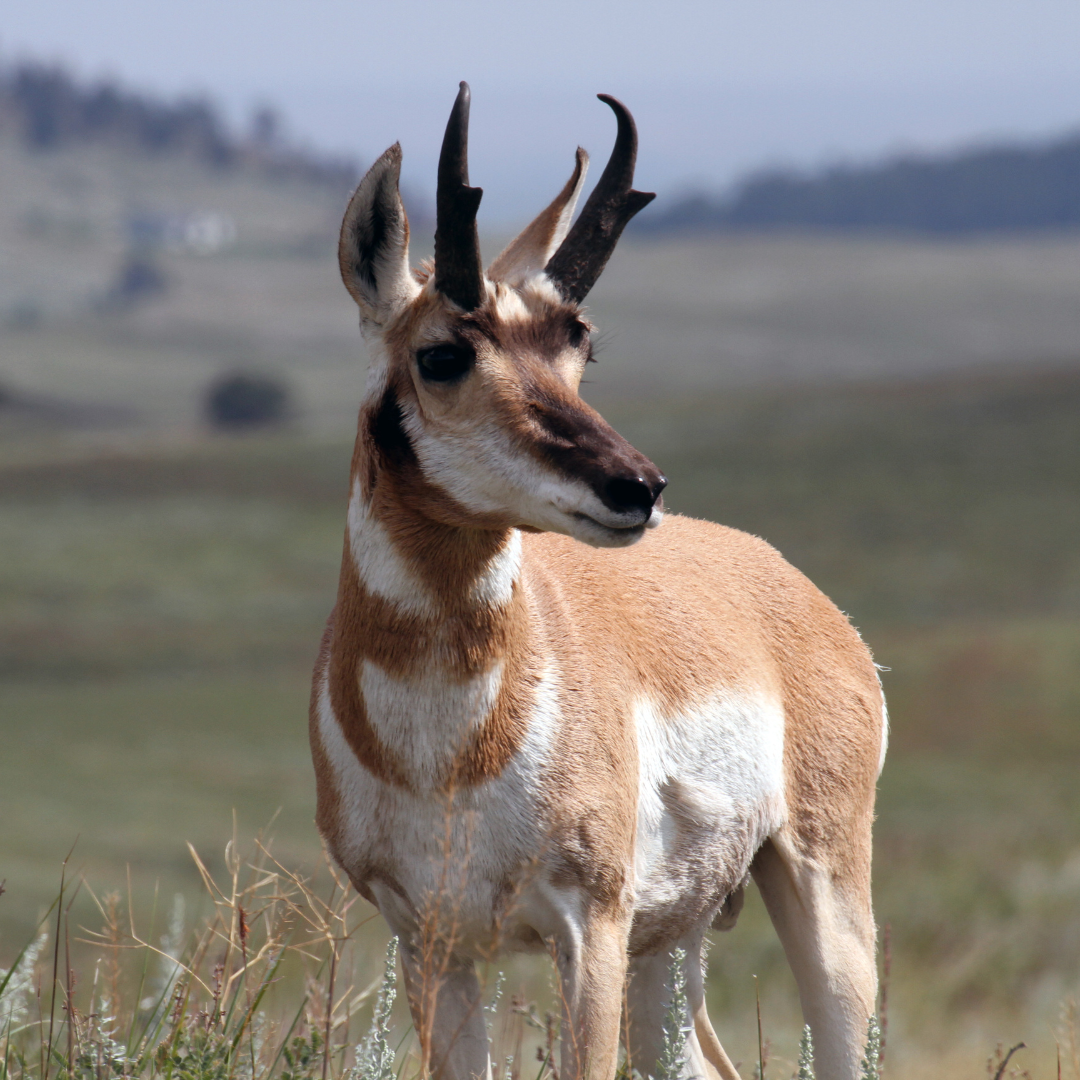
Pronghorns are instantly recognizable – from their curved horns to the white chevrons on their throats, they are aesthetically striking compared to other Albertan ungulates.
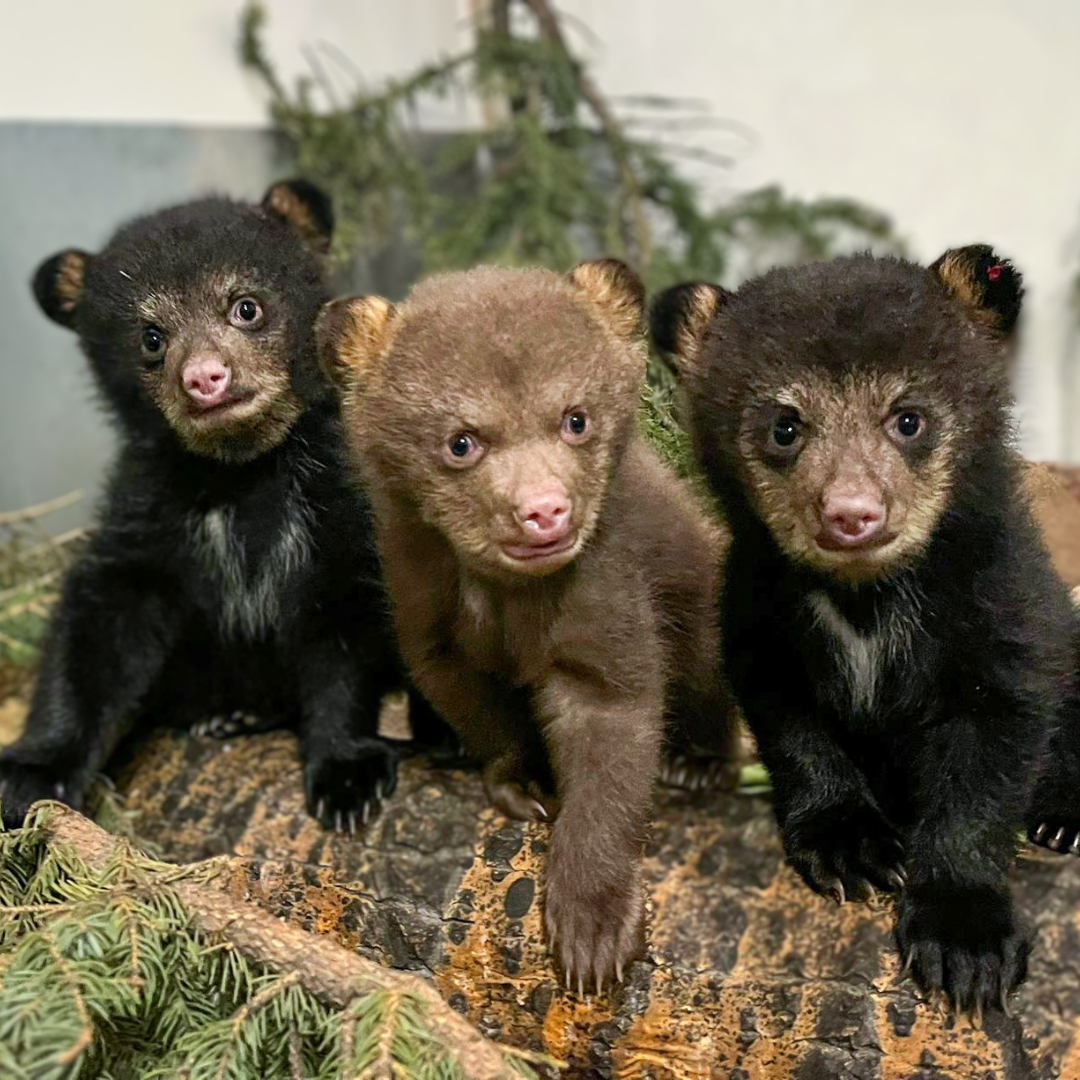
by Kendra Thomas Did you know that not all black bears are black? Black bears, or Ursus americanus, can be found in a wide range