By Chelsea Blyth
Wetlands across Alberta are dynamic ecosystems that support a wide variety of waterfowl. From shallow prairie potholes to deep northern lakes, these habitats are home to ducks that have evolved different feeding strategies to take advantage of available food resources. Two of the most important strategies are dabbling and diving. While these approaches differ significantly, they allow multiple species to coexist in the same landscapes without competing directly for food.
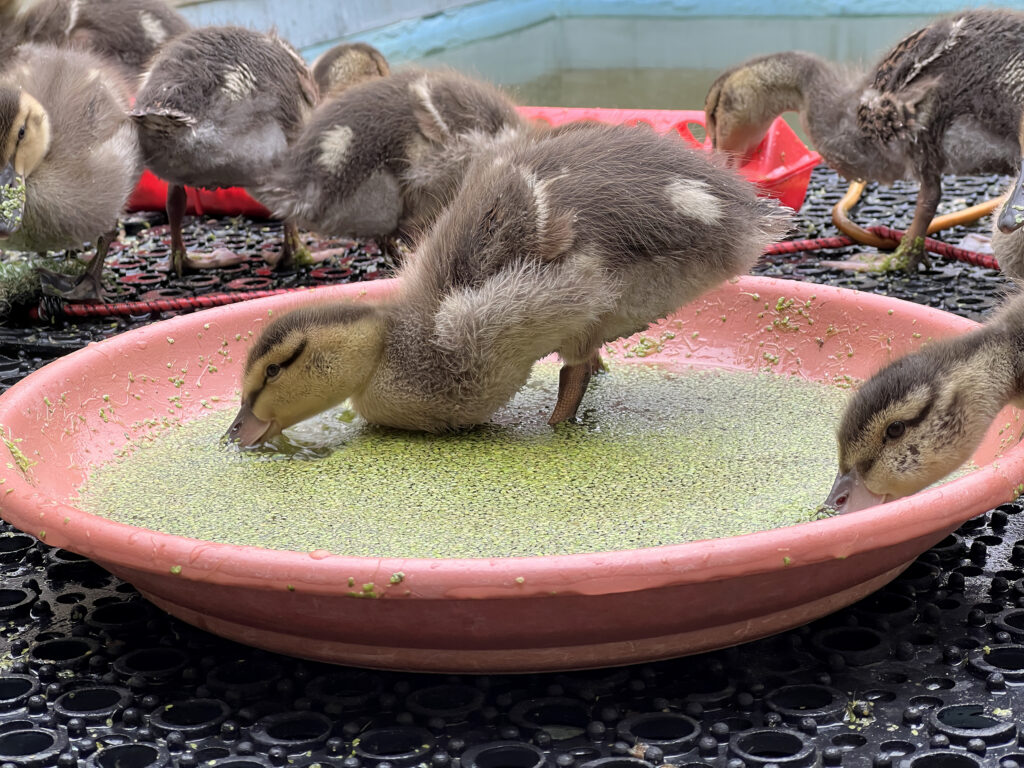
Dabbling Ducks: Feeding at the Surface
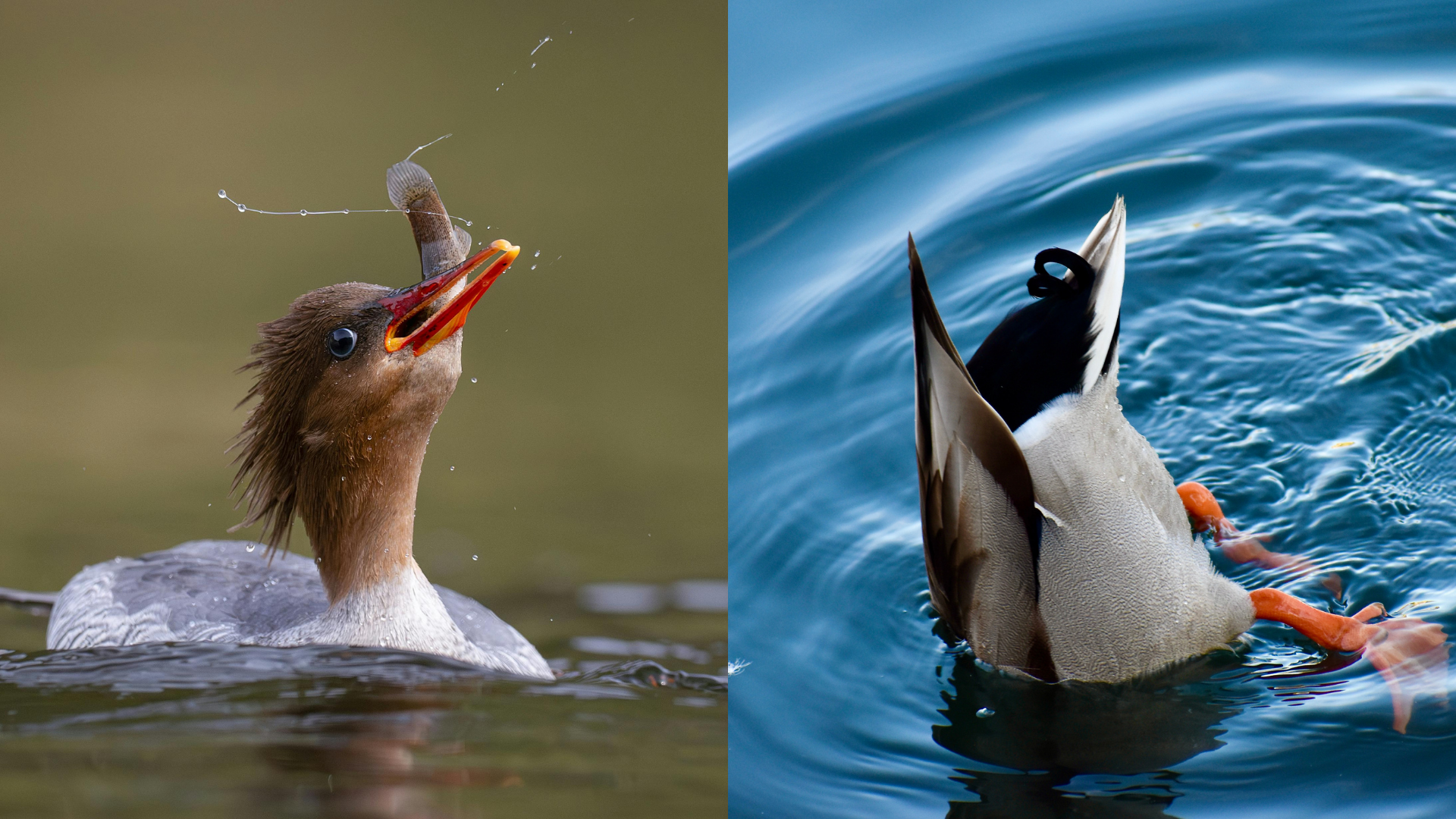
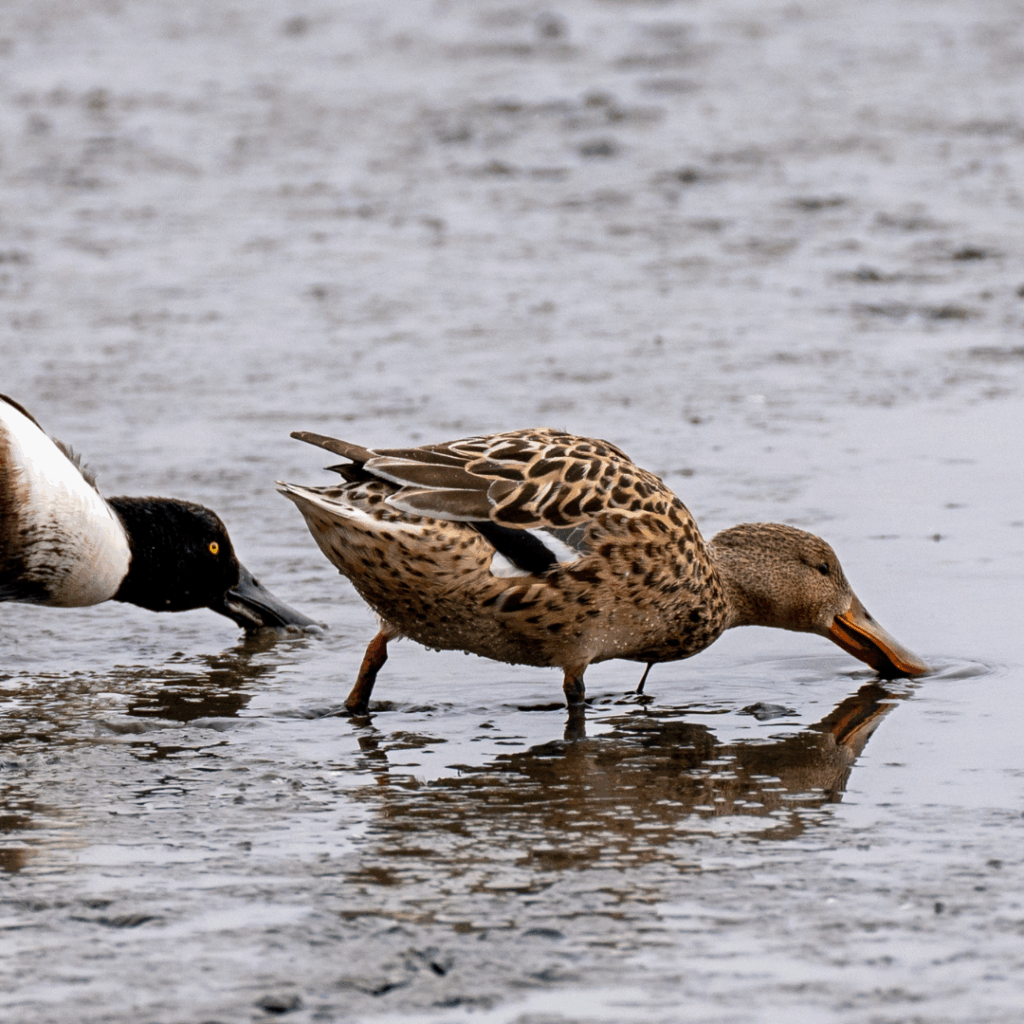
Dabbling ducks feed primarily at or near the surface of the water. Instead of diving, they tip forward in shallow water to reach food below the surface. This behaviour allows them to access aquatic plants, seeds, and small invertebrates found in wetlands, flooded fields, and marshes.
Common dabbling species in Alberta include the mallard, northern pintail, blue-winged teal, and northern shoveler. These ducks are often seen in shallow wetlands where vegetation is abundant. They are highly adaptable and can feed on a variety of foods, including aquatic plants, grains, and insects, depending on what is available.1
Dabbling ducks feed primarily at or near the surface of the water. Instead of diving, they tip forward in shallow water to reach food below the surface. This behaviour allows them to access aquatic plants, seeds, and small invertebrates found in wetlands, flooded fields, and marshes.2
Common dabbling species in Alberta include the Mallard, Northern Pintail, Blue-winged Teal, and Northern Shoveler. These ducks are often seen in shallow wetlands where vegetation is abundant. They are highly adaptable and can feed on a variety of foods, including aquatic plants, grains, and insects, depending on what is available.1
Dabbling ducks are well suited to shallow water because of their physical structure. Their legs are positioned closer to the centre of their bodies, which helps them walk on land and quickly take off from water. Their bills also contain fine comb-like structures called lamellae, which act like filters to strain food from water and mud.2
Since they rely on shallow habitats, dabbling ducks are commonly found in Alberta’s prairie potholes and small marshes. These areas provide ideal conditions for feeding, especially during spring when wetlands are full of newly available nutrients.1
Dabbling ducks are well suited to shallow water because of their physical structure. Their legs are positioned closer to the centre of their bodies, which helps them walk on land and quickly take off from water. Their bills also contain fine comb-like structures called lamellae, which act like filters to strain food from water and mud.
Since they rely on shallow habitats, dabbling ducks are commonly found in Alberta’s prairie potholes and small marshes. These areas provide ideal conditions for feeding, especially during spring when wetlands are full of newly available nutrients.
Common goldeneye diving for food in care at AIWC, 2025.
Diving Ducks: Foraging Below the Surface
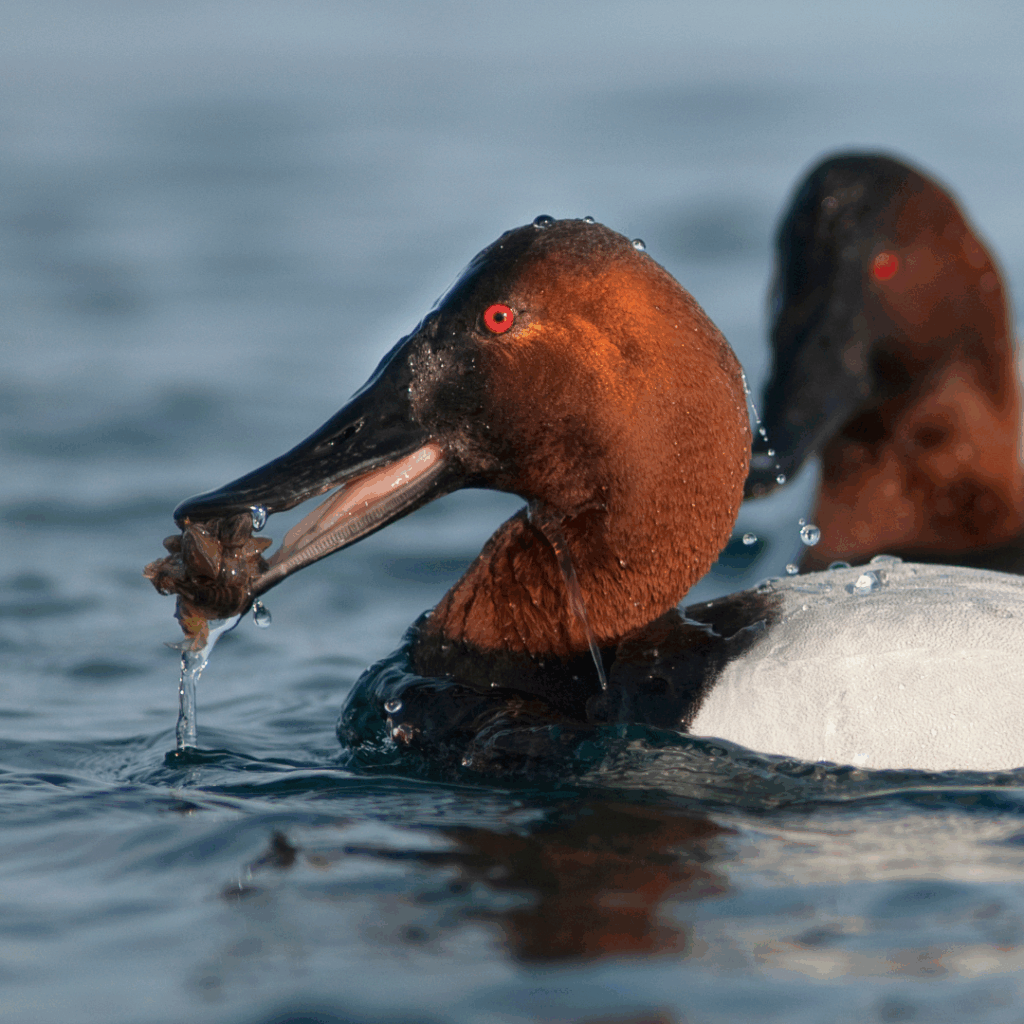
Diving ducks take a different approach by feeding underwater. Instead of staying at the surface, they submerge completely to reach food at greater depths. This allows them to access submerged vegetation, aquatic insects, mollusks, and even small fish.
In Alberta, diving ducks include species such as the lesser scaup, canvasback, common goldeneye, and red-breasted merganser. These ducks are more commonly found on deeper lakes and reservoirs, where they can dive to reach food sources unavailable to dabbling species.
Diving ducks are specially adapted for underwater feeding. Their legs are positioned farther back on their bodies, which gives them strong propulsion in the water. They also have denser bodies and compact wings that reduce buoyancy and drag, making it easier to stay submerged.3
Their feeding behaviour allows them to reach food at depths that dabbling ducks cannot access. Some diving ducks can forage several metres below the surface, making them highly efficient in deeper aquatic environments.1
Key Differences in Feeding Strategy
The main difference between dabbling and diving ducks lies in how they access food. Dabbling ducks feed at the surface or just below it, while diving ducks actively submerge to forage at depth. This difference is reflected in their anatomy, behaviour, and preferred habitats.
Dabbling ducks rely on shallow water and are often found in wetlands with abundant vegetation. Diving ducks, on the other hand, prefer deeper waters where they can dive for submerged food sources. These differences reduce direct competition between the two groups, even when they share the same general area.
Both groups are omnivorous, but their diets can vary. Dabbling ducks often consume more plant material and seeds, while diving ducks may rely more heavily on animal prey such as aquatic insects or small fish. This dietary variation further reduces overlap in their ecological roles
Coexistence in Alberta’s Wetlands
Alberta’s diverse wetland landscape provides the perfect setting for both dabbling and diving ducks to coexist. Shallow marshes, seasonal ponds, and flooded fields support dabbling ducks, while deeper lakes and reservoirs support diving species.
This separation of habitat use is an example of resource partitioning. By feeding at different depths and in different environments, ducks reduce competition for food. This allows multiple species to thrive within the same broader ecosystem. Waterfowl feeding adaptations have evolved in ways that support this coexistence, ensuring that different species can utilize different parts of the same wetland.2
Seasonal changes in Alberta also influence how these ducks interact with their environment. In spring, melting snow creates shallow wetlands that are ideal for dabbling ducks. As the season progresses, water levels may drop or shift, and diving ducks can move between deeper habitats as needed. This flexibility helps maintain balance within waterfowl populations.
Why This Matters for Conservation
Healthy wetlands are essential for both dabbling and diving ducks. Alberta’s wetlands not only provide feeding grounds but also nesting and resting habitat for migrating and breeding waterfowl. Protecting a range of wetland types ensures that all species, regardless of feeding strategy, have access to suitable habitat.
Organizations involved in wetland conservation recognize that maintaining biodiversity depends on preserving these ecological differences. When both shallow and deep-water habitats are protected, the full diversity of waterfowl can be supported.
Understanding the difference between dabbling and diving ducks helps us appreciate the complexity of Alberta’s ecosystems. These feeding strategies are not just behaviours, they are finely tuned adaptations that allow ducks to survive and thrive in different environments.
Conclusion
Dabbling and diving ducks may share the same wetlands, but they use very different strategies to find food. These differences reduce competition and allow both groups to coexist across Alberta’s diverse landscapes.
By protecting wetlands of varying depths and conditions, we help ensure that both dabbling and diving ducks continue to thrive. Observing these birds in the wild offers a glimpse into the balance and adaptability of nature, where even the smallest differences in behaviour can shape entire ecosystems.
References
- Ontario Ministry of Natural Resources and Forestry. Waterfowl Habitat Management Guidelines. https://www.ontario.ca/files/2025-05/guide-waterfowl.pdf
- Ducks Unlimited Canada. Waterfowl Feeding Adaptations. https://www.ducks.org/conservation/waterfowl-research-science/waterfowl-feeding-adaptations
- Institute for Energy Research. “Are There Diving Ducks?” Accessed March 20, 2026. https://iere.org/are-there-diving-ducks/